

Mar 3, 2026
How to Fix Loose Deck Boards
Wobbly deck boards can be a trip hazard and a sign of wear. Learn how to inspect your deck, tighten loose fasteners, or replace damaged boards to keep your outdoor space safe.
Stepping onto your deck should feel solid and secure, not like walking on a piano key that wiggles under your feet. Finding a loose board or two is a very common part of homeownership, especially as the seasons change. Wood expands and contracts with moisture and temperature, which can naturally work nails and screws loose over time.
Looking for more guidance? Take a look at our Repairs overview.
While a wobbly board might seem like a minor annoyance, it’s important to address it before it becomes a trip hazard or leads to further water damage. The good news is that securing a deck is usually a straightforward afternoon project. Whether you need to tighten a few screws or replace a rotted plank, you can likely handle this without calling a contractor.
Here is how to assess the situation and get your deck back to being a sturdy gathering place.
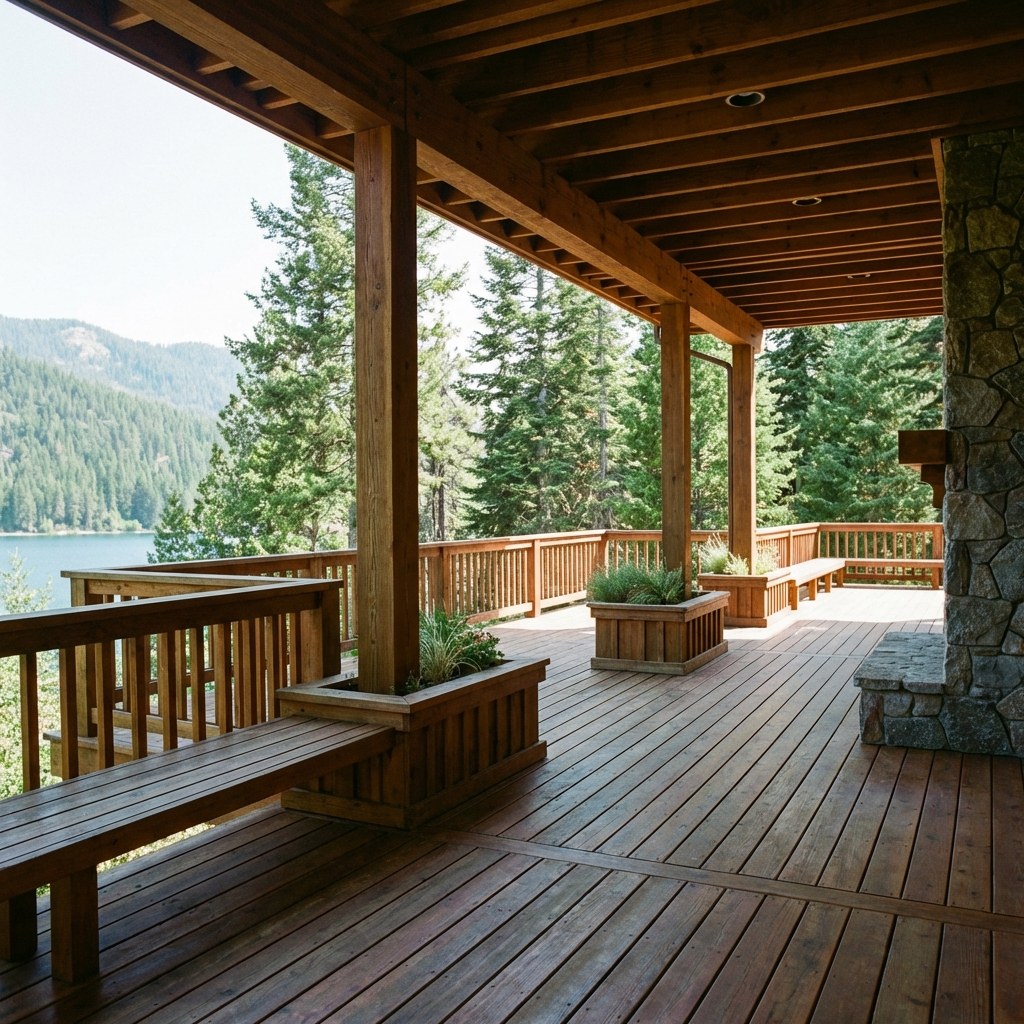
Symptoms of Deck Issues
Loose boards are usually obvious, but sometimes the signs are subtle until you’re looking for them. Watch for:
- Wobbly movement: Boards that shift, bounce, or pop up when you step on them.
- Raised fasteners: Nail heads or screw heads sticking up above the wood surface.
- Visible gaps or cracks: Large splits in the wood or uneven spacing between boards.
- Squeaking: Loud creaking noises when you walk across specific areas.
Step 1: Diagnosis and Inspection
Before you grab a drill, you need to know the extent of the problem. Is this just one loose screw, or is the structure underneath struggling?
The Walk-Through Test: Put on your work gloves and slowly walk the entire deck surface. Step firmly on every single board. When you find a board that moves, mark it with a piece of painter's tape so you don't lose track of it later.
The "Peek" Test: If you have widespread loosening—meaning many boards are moving in different areas—you need to check the joists (the structural beams underneath the deck boards).
- Use a flat pry bar to gently lift a loose board just enough to see underneath.
- Look at the joist. Is the wood soft, crumbling, or dark with water stains?
- If the frame underneath looks solid, you are clear to proceed with repairs.
Safe to Try Yourself vs. Calling a Pro
DIY is appropriate when:
- The joists (structure) are solid and dry.
- The issue is limited to loose fasteners or a few cracked top boards.
- You are comfortable using a drill and a circular saw.
Call a Professional if:
- The joists are rotting: If the wood underneath is soft, spongy, or crumbling, screws won't hold. This is a structural issue that requires a carpenter.
- The deck sways: If the entire deck structure moves when you walk on it, this is not a surface-level repair.
- Widespread rot: If more than 20-30% of the boards are rotting, it may be time for a full resurfacing rather than a patch job.
Step 2: Securing the Deck
Once you've confirmed the structure is safe, choose the repair method that matches your situation.
Scenario A: The boards are good, but the fasteners are loose
If your deck was built with nails, they often pop up over time. The best fix isn't to hammer them back in (they'll just pop out again), but to retrofit with screws.
- Remove the old nails: Use a claw hammer or pry bar to pull existing nails from the loose board.
- Position the board: Stand or kneel on the board to hold it flush against the joist.
- Drive new screws: Use 3-inch deck screws (specifically treated for exterior use). Drive two screws through the board into each joist, about 1 inch from the edge of the board.
If your deck already has screws and they are just loose, simply use a drill to tighten them until the head sits just below the surface of the wood.
Scenario B: The board is cracked or rotted
If a board is damaged, tightening it won't help. You need to replace it.
- Cut the damage: If you can't remove the whole board, use a circular saw to cut the damaged section out. Make your cut right next to a joist so the new board has something to rest on.
- Remove the piece: Pry up the old wood and remove any old fasteners.
- Measure and cut: Measure the gap precisely. Cut a new pressure-treated wood or composite board to fit. Note: If using wood, remember that new pressure-treated lumber is often wet and swollen; fit it tight, as it will shrink slightly when it dries.
- Install: Place the new board in the gap. Pre-drill pilot holes (especially for composite or near the ends of wood boards to prevent splitting) and drive two screws into every joist.
Time and Cost
Time:
- Inspection: 15–20 minutes.
- Tightening screws: 30–60 minutes.
- Replacing a board: 1–2 hours per board.
Cost:
- DIY: $10–$50 for a box of deck screws and 1-2 replacement boards.
- Professional: $150–$300 minimum for a service call, potentially more depending on the number of boards.
Recap
Loose deck boards are a normal part of home maintenance. By catching them early, you prevent water from getting into the screw holes and rotting the joists underneath.
- Inspect by walking the deck and marking loose spots.
- Check underneath for structural rot (call a pro if you find it).
- Secure loose boards with deck screws, replacing nails where possible.
- Replace any boards that are cracked or rotting.
Keeping track of which boards were replaced and when can help you predict future maintenance. The Casa app is a great place to log these updates so you have a history of your home’s exterior care.
A sturdy deck is the foundation of a great backyard. Once those boards are tight, you can get back to enjoying the fresh air.
For more step-by-step guides on maintaining your home’s exterior, download the Casa app today. We’ll help you stay organized and prepared for whatever your home needs next.