

Updated Nov 23, 2026
How to Fix Low Water Pressure in Your Shower: A Step-by-Step Guide
Fix weak shower pressure: check whether it is one shower or the whole house, clean a clogged shower head, and know when to call a plumber.
Weak shower pressure is often a clogged shower head or a partly closed valve, and you can usually fix it yourself. The steps below help you find the cause or know when to bring in a plumber.
Looking for more guidance? Take a look at our Repairs overview.
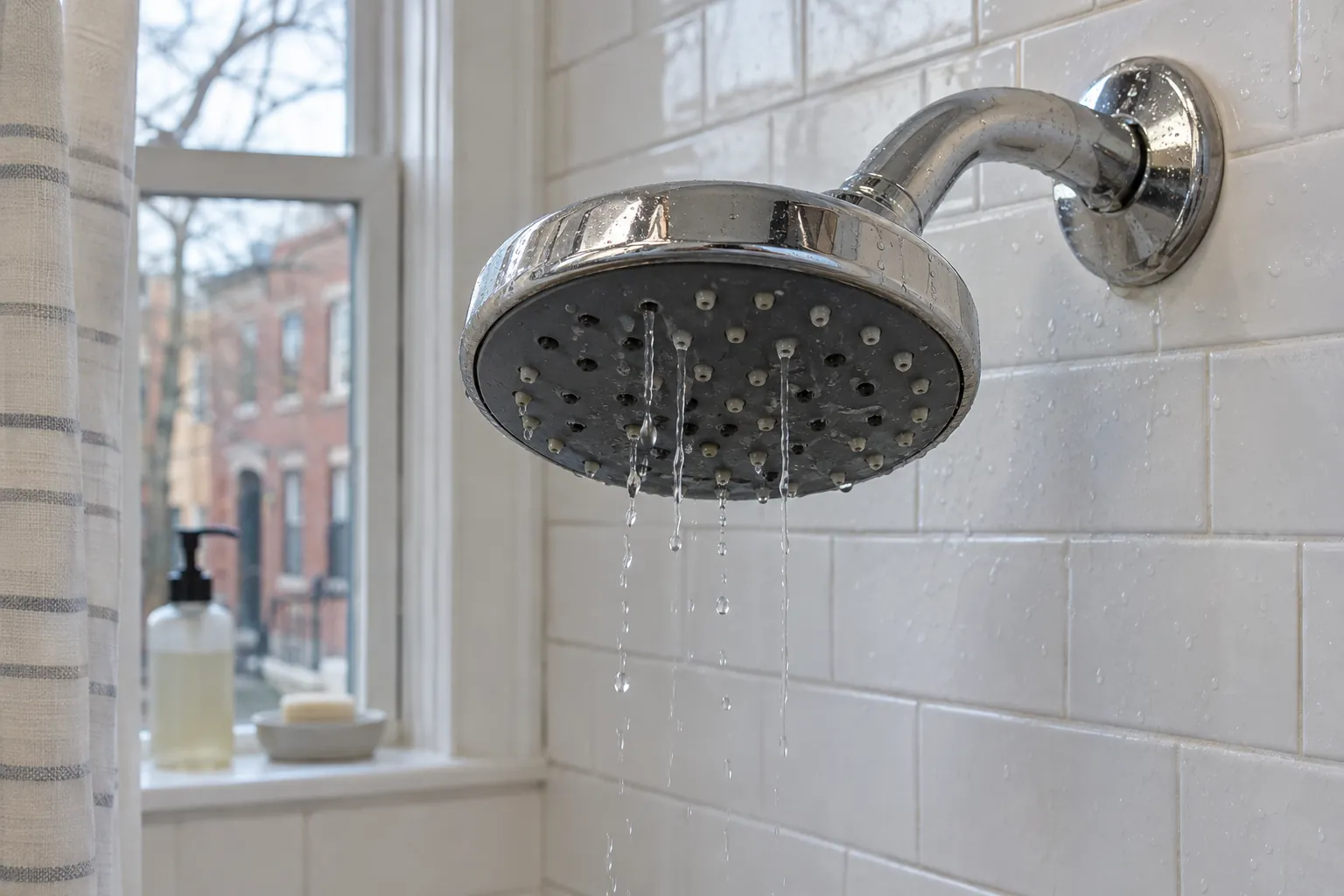
Why Is My Shower Water Pressure Low?
Low shower pressure can come from partially closed valves, clogged shower heads, old plumbing, or a problem with the municipal water supply.
Common Causes of Low Water Pressure in Showers
There are five common causes of low water pressure in the shower:
- Mineral buildup in shower heads
- Partially closed valves
- Old or corroded pipes
- Municipal water supply issues
- Leaks in the plumbing system
Step 1: Check Other Bathrooms
Start by checking if other bathrooms in your home are experiencing low water pressure.
If multiple bathrooms are affected, it's likely a main water supply issue.
- Locate your home's main water supply line (usually in the basement, garage, or utility room).
- Ensure the valve is fully open by twisting the handle all the way.
- Test the water pressure again. If this fixes the issue, you're good to go. If not, it might be time to call a plumber.
Tip: Sometimes, a municipal water supply issue can affect your entire home. Check with your local water provider for any scheduled maintenance or disruptions.
Step 2: Check the Tub Faucet
Check if both the tub faucet and the shower head have low water pressure. If both are affected:
- Find the water supply line for that fixture (often beneath the tub, behind a panel, or in a nearby cabinet).
- Ensure it's fully open by twisting the handle.
- Test the water pressure. If it's still low, the shower head might need cleaning.
Mineral buildup from hard water can steadily restrict flow if it isn't cleaned.
Step 3: Clean the Shower Head
If it really is just this shower head, hard water and mineral deposits are common culprits behind low water pressure in the shower. Here's how you can clean the shower head yourself:
- Turn off the water supply to the shower.
- Drain any remaining water by turning on the shower.
- Remove the shower head by turning it counterclockwise. We recommend you use a cloth and a wrench to twist the shower head free without scratching it.
- Take the shower head and soak it in a mixture of vinegar and water for 1 hour.
- Remove the shower head. If there is still some built up debris, scrub the shower head with a toothbrush if needed.
- Rinse off the shower head with water.
- Reinstall the shower head and test the water pressure again.
If the pressure is still low, consider either buying a new shower head if you think that the shower head is the culprit, or calling a plumber to come take a closer look at the shower pipes.
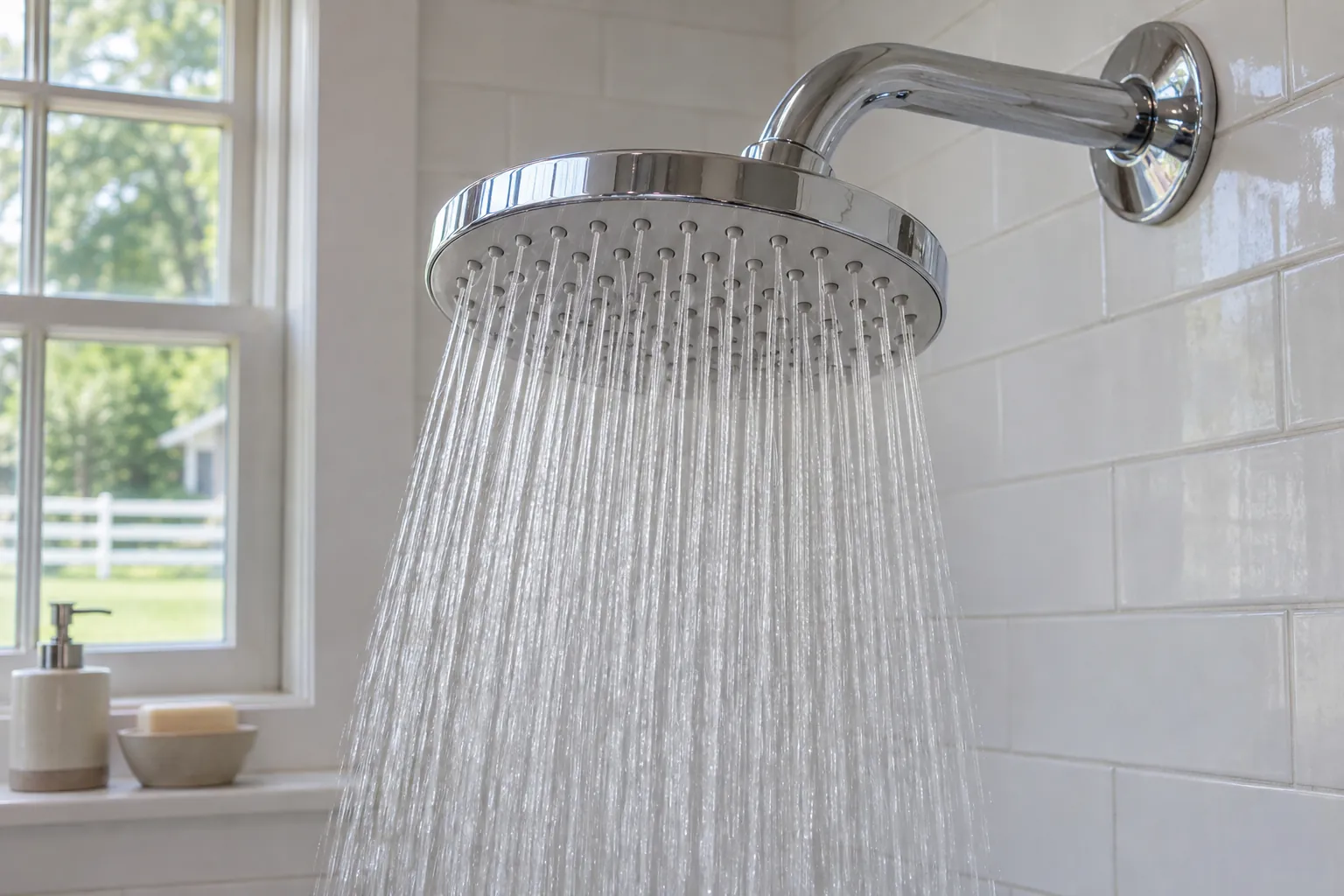
Types of Shower Heads and Their Impact on Water Pressure
The type of shower head you have can significantly affect water pressure. Here are some common types:
- Fixed Shower Heads: Mounted to the wall and easy to clean, but some models may reduce water pressure due to flow restrictions.
- Handheld Shower Heads: Versatile and convenient, though cheaper models may have weaker water pressure.
- Rainfall Shower Heads: Luxurious and aesthetically pleasing, but often deliver lower water pressure due to their wide surface area.
- High-Pressure Shower Heads: Marketed for stronger spray. They can make a weak flow feel firmer, but they do not raise your home's water pressure.
Choosing the right shower head for your home can help prevent water pressure issues in the future.
Additional Note: Some modern shower heads come with adjustable pressure settings, allowing you to switch between gentle flow and high-pressure spray.
How Much Does It Cost to Fix Low Water Pressure in the Shower?
Cleaning a shower head costs almost nothing and takes an hour or less, so try it first. A plumber's cost depends on the cause. Thumbtack puts the national average for shower repair at $238 to $595, and lists about $400 to clear pipe obstructions that restrict water pressure.
Preventing Low Water Pressure in the Future
There are a few preventive actions you can take to avoid low water pressure in the future, such as:
- Regularly clean your shower head.
- Ensure all valves are fully open.
- Replace old pipes if necessary.
Pro Tip: Installing a water softener can reduce mineral buildup and extend the life of your plumbing fixtures.
If the pressure dropped suddenly in the whole house, or you see wet spots or hear running water in the walls, shut off the main valve and call a plumber.