

Updated Nov 23, 2026
How to Make Your Furniture Smell Fresh Again: A DIY Guide
Find the source of a musty, smoky, pet or cooking smell in your furniture and remove it with simple cleaning methods for fabric and hard surfaces.
A stale smell clinging to a favorite armchair or a general mustiness in the living room is a common household problem. You don't have to live with it or throw the furniture out.
Looking for more guidance? Take a look at our Repairs overview.
Most smells, whether from pets, cooking, smoke or dampness, respond to the right cleaning method. This guide helps you find the source and choose that method.

Why Does My Furniture Smell Bad?
Before we dive into the solutions, it helps to understand the common culprits. Odors are caused by molecules that get trapped in the fibers of fabric, the pores of wood, or the finish on hard surfaces. The most frequent offenders include:
- Moisture and Mildew: High humidity or a past spill can lead to a classic musty smell. This is one you want to tackle quickly, as it can indicate mold growth.
- Pet Odors: Our furry friends can leave behind dander, oils, and the dreaded urine smell, which contains uric acid that is notoriously difficult to remove.
- Smoke: Whether from cigarettes, a fireplace, or a burnt dinner, smoke particles are tiny and can penetrate deep into both soft and hard furnishings.
- Cooking and Grease: Strong cooking smells, especially from frying, can latch onto nearby surfaces and fabrics, leaving a greasy, stale odor.
- General Use: Over time, sweat, body oils, spilled food, and dust can build up, creating a generic "lived-in" funk.
Step 1: Find the Source
Pinpoint exactly where the smell is coming from. Is it one rogue piece of furniture, or is the entire room affected?
- Do a Sniff Test: Walk slowly through the room and get close to each piece of furniture. Sniff cushions, armrests, and even the wooden or metal frames. The goal is to find the epicenter of the odor.
- Use Your Sense of Touch: As you inspect, touch the surfaces. Do they feel damp, sticky, or greasy? This can give you a major clue about the cause.
- Isolate the Culprit: If you find the smell is concentrated on a single item, like a sofa or a wooden cabinet, you can move on to a targeted cleaning approach. If the smell seems to be everywhere and nowhere at once, you’re likely dealing with an environmental issue like humidity or a pervasive odor like smoke.
Step 2: How to Clean a Single Smelly Furnishing
If you've narrowed the smell down to one piece of furniture, the material it’s made from will determine your plan of attack.
For Fabric and Upholstered Furniture
Fabric is porous and loves to hold onto smells. This method is great for general mustiness or mild odors.
What You'll Need:
- Vacuum cleaner with an upholstery attachment
- Baking soda
- A spray bottle
- White vinegar
- Warm water
The Process:
- Vacuum Thoroughly: Go over every inch of the fabric with the upholstery attachment. Get into all the crevices and under the cushions. This removes loose dirt, dust, and dander that contribute to odors.
- Apply Baking Soda: Sprinkle a generous, even layer of baking soda over the entire fabric surface. Baking soda is a fantastic natural deodorizer that absorbs smells without using harsh chemicals.
- Let It Sit: Leave the baking soda on for at least 30-60 minutes. For really tough odors, you can let it sit for several hours or even overnight.
- Vacuum Again: Carefully vacuum up all the baking soda, taking your time to ensure it’s all removed.
- Use a Vinegar Spray (Optional): If a slight odor remains, mix a solution of 1 part white vinegar and 1 part warm water in a spray bottle. Lightly mist the fabric—don't soak it! The vinegar smell will be strong at first but will dissipate as it dries, taking the other bad smells with it.
- Air It Out: Open some windows or set up a fan to help the fabric dry completely. Dampness is the enemy, so make sure it's 100% dry.
If the smell is gone, you’ve done it! If not, the odor may have penetrated deep into the cushions, and it might be time to call a professional upholstery cleaner.
For Hard-Surface Furniture (Wood, Metal, Laminate)
Hard surfaces can also hold onto smells, especially if they are sticky or have a residue.
What You'll Need:
- Two clean microfiber cloths
- Mild dish soap
- A bowl of warm water
- White vinegar
The Process:
- Dust First: Wipe down the entire piece with a dry microfiber cloth to remove any surface dust.
- Wash the Surface: Mix a few drops of mild dish soap into the warm water. Dip your cloth in, wring it out until it’s just damp, and wipe down every surface. If it’s wood, wipe in the direction of the grain.
- Dry Immediately: Use your second, dry microfiber cloth to wipe away any moisture. Never leave standing water on wood furniture.
- Deodorize with Vinegar: In a small bowl, mix equal parts white vinegar and water. Dampen your cloth with this solution, wring it out well, and give the furniture one final wipe-down. The vinegar will cut through any remaining odor-causing residue. The vinegar smell will vanish once it's dry.
If the odor persists on a valuable wood piece, it may have penetrated the finish. In this case, consulting a furniture restoration professional is your best bet.
Step 3: When the Whole Room Smells – Tackling Environmental Issues
If your investigation concluded that the smell isn't from just one item, it’s time to look at the bigger picture.
Is It Musty? Check for High Humidity and Mold
A persistent musty or mildewy smell throughout a room is a major red flag for high humidity. According to the Environmental Protection Agency (EPA), indoor humidity should be kept below 60 percent to prevent mold growth.
- Get a Hygrometer: This small, inexpensive device measures humidity levels. If your room is consistently above 60%, you’ve found your problem.
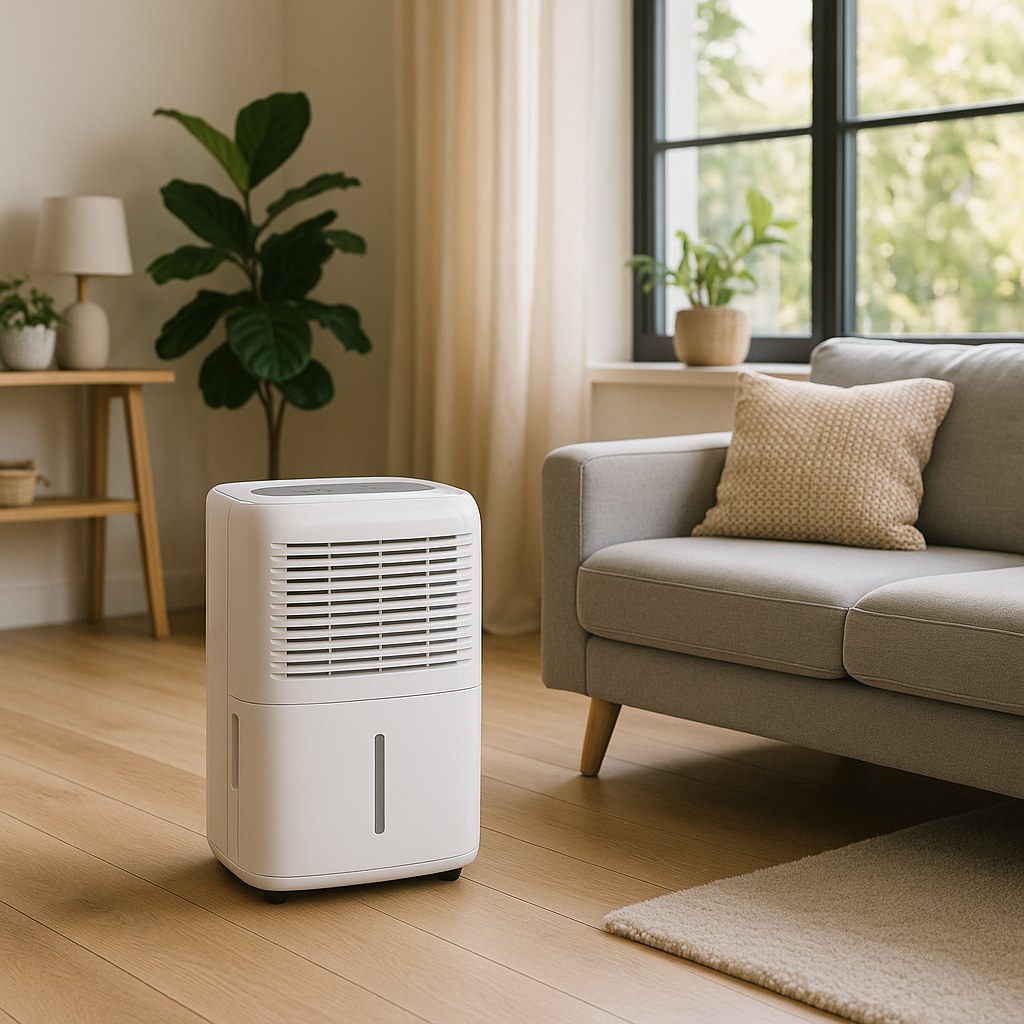
- Run a Dehumidifier: Place a dehumidifier in the room and set it to maintain a humidity level between 40-50%.
- Ventilate: Open windows and use fans to create cross-ventilation and circulate fresh air.
- Handle Visible Mold Carefully: The EPA says mold on hard surfaces can be cleaned with detergent and water, and the item dried completely. Porous items like upholstery or cushions that are moldy are often best thrown away. If the moldy area is larger than about 10 square feet, or you have asthma or allergies, have it handled by a mold remediation company rather than cleaning it yourself.
Identifying and Eliminating Specific, Pervasive Odors
If humidity isn't the issue, you're likely dealing with a stubborn, widespread odor. Here’s how to tackle the big three:
How to Remove Pet Urine Odor
- Blot, Don't Rub: If the spot is fresh, blot as much as you can with paper towels.
- Use an Enzyme Cleaner: Regular cleaners won't work. Enzyme-based cleaners break down the compounds in urine that cause the smell. Test them on a hidden spot first.
- Saturate and Wait: Spray the enzyme cleaner generously on the spot, ensuring it soaks as deep as the urine did. Follow the product instructions for how long to let it sit (usually 30-60 minutes).
- Blot Again: Blot up the excess solution and let the area air dry completely. You may need to repeat the process for set-in stains.
How to Remove Smoke Odor
Smoke particles get everywhere. This requires a multi-front attack.
- Wash Everything Washable: Curtains, cushion covers, and blankets should all be laundered.
- Wipe Down Hard Surfaces: Smoke leaves an oily residue. Wipe down walls, ceilings, and hard furniture with a cleaning solution. Use a cleaner made for smoke residue, wear gloves, and follow the label. Never mix cleaners.
- Use Odor Absorbers: Place open bowls of baking soda or activated charcoal around the room and leave them for 24-48 hours. They help with mild odor but won't remove heavy smoke on their own.
- Purify the Air: An air purifier with a HEPA and activated carbon filter can be a game-changer for removing lingering smoke particles from the air.
How to Remove Lingering Cooking Odors
- Degrease Surfaces: Wipe down kitchen cabinets, backsplashes, and any nearby furniture with a good degreasing cleaner.
- Simmer a Fresh Scent: Fill a pot with water, add some lemon slices and rosemary (or cinnamon sticks and cloves), and let it simmer on the stove for 30 minutes. This releases pleasant-smelling vapor that helps neutralize odors.
- Deodorize Fabrics: Sprinkle baking soda on any upholstered furniture in or near the kitchen, let it sit for an hour, and then vacuum it up.
Final Thoughts and When to Call for Help
Most furniture odors can be successfully eliminated with these DIY methods. The key is to correctly identify the source and use the right tools for the job.
However, some jobs are too big or too delicate to handle on your own. If you’ve tried these steps and the smell persists, or if you're dealing with valuable antiques or widespread mold, it’s time to call a professional cleaner or restorer. A professional upholstery cleaner can often save a piece you'd otherwise replace, and Thumbtack puts the national average for upholstery cleaning at $138 to $247. Compare two or three quotes and ask what the price covers.