

Oct 22, 2025
How to Reduce Heavy Dust Buildup In Your Home
Tired of the endless battle with dust? This comprehensive guide walks you through identifying the root causes of heavy dust buildup, from your HVAC system to hidden sources, and provides a step-by-step plan to clean effectively and keep your home fresh.
Does it feel like you’re fighting a losing battle with dust? You spend hours cleaning, and just when you think you’ve won, a fresh layer appears on your furniture, floors, and shelves. It’s not just frustrating—excessive dust can trigger allergies, affect your home’s air quality, and make your space feel perpetually unclean.
Looking for more guidance? Take a look at our Repairs overview.
The good news is you’re not alone, and there’s usually a clear reason for the relentless buildup. Heavy dust is often a symptom of an underlying issue, like an overworked HVAC system or hidden dust sources you haven’t considered.
Think of me as your friendly expert on the other end of the line. Together, we’re going to walk through a simple, step-by-step plan to diagnose the problem, tackle the source, and reclaim your home from the dust bunnies. Let’s get started.
Why Is My House So Dusty? The Surprising Sources of Buildup
Before we jump into the fix, it helps to understand what you're up against. Household dust is a complex mix of things, and knowing where it comes from is the first step to controlling it.
You might be surprised to learn that, according to research, about 60% of the dust in your home actually originates from outside. The rest is a cocktail of indoor particles. Here are the main culprits:
- Your HVAC System: Your heating, ventilation, and air conditioning (HVAC) system is designed to circulate air, but if its filter is clogged, it ends up circulating dust, pollen, and other particulates throughout every room.
- Outdoor Pollutants: Dirt, pollen, and industrial particles sneak in through open windows, doors, and even tiny cracks and gaps in your home's exterior.
- People and Pets: We’re a big part of the problem! We shed dead skin cells constantly, and our furry friends contribute pet dander, which are major components of dust.
- Textiles and Fabrics: Carpets, rugs, upholstery, curtains, and even your bedding shed tiny fibers over time. These fibers become airborne and eventually settle as dust.
- Ongoing Renovations: If you have any construction or remodeling happening, drywall dust, sawdust, and other debris can travel far and wide, settling everywhere.
Now that you know the enemy, let’s create a battle plan.
Your Step-by-Step Battle Plan to Conquer Dust
We'll tackle this methodically, starting with the biggest potential offender and working our way through cleaning techniques that make a real difference.
Step 1: Investigate Your Home’s Ventilation System
First things first, let's figure out what kind of air system you have. Most homes with heavy, widespread dust have a central heating or air conditioning system. This is the system responsible for pushing air through the vents in your home.
- How to check: Look for a central thermostat on a wall. You can also look for large return air grilles (the big vents that suck air in) in hallways or common areas. If you find these, you almost certainly have a central HVAC system with a filter that needs your attention. You can also check your basement, attic, or a utility closet for the furnace or air handler unit—it's a large metal box.
Once you’ve located the main unit, look for a slot or door where the air filter slides in. Found it? Great, let's move on to the most impactful step you can take.
Step 2: Replace Your HVAC Filter and Clean the Vents
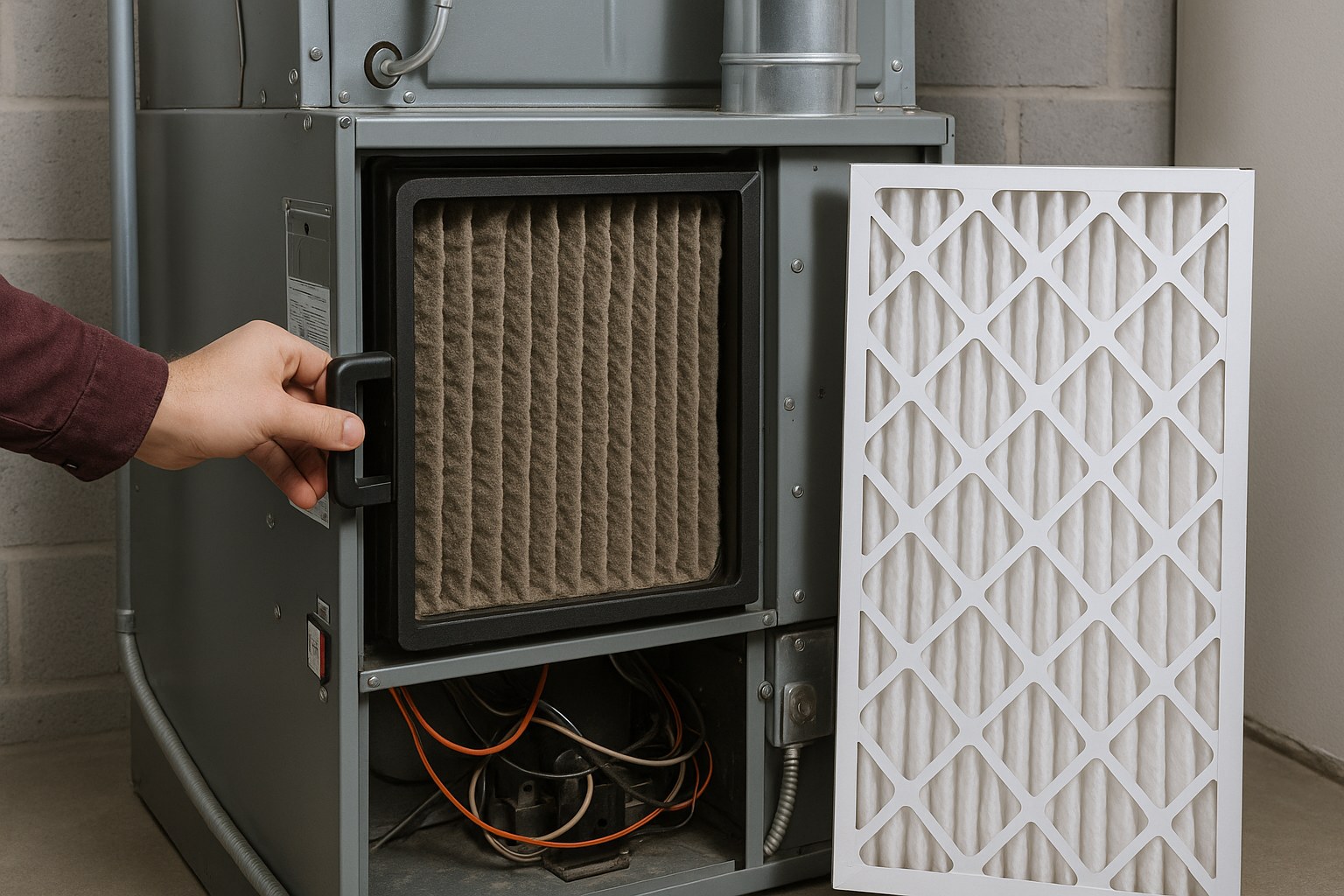
Think of your HVAC filter as the lungs of your home. If it’s clogged, your home can’t breathe clean air. A dirty filter can’t trap new dust and will allow the particles it’s already holding to be recirculated. Replacing it is easy and one of the most effective ways to reduce dust.
- Turn Off the System: Go to your thermostat and set it to “Off.” This stops air from blowing while you work.
- Remove the Old Filter: Open the filter door on your furnace or air handler unit and slide the old filter out. Take a look—if it’s gray and caked with dirt, you’ve found a major culprit.
- Get the Right Replacement: Note the dimensions printed on the filter’s cardboard frame (e.g., 16x25x1). Purchase a new pleated air filter of the exact same size. Pro Tip: Look for a filter with a MERV (Minimum Efficiency Reporting Value) rating between 8 and 11. This range is great for trapping fine dust particles without restricting your system's airflow too much.
- Install the New Filter: Look for an arrow on the new filter's frame. This indicates the direction of airflow. Make sure the arrow points toward the furnace/air handler, not away from it. Slide it in.
- Clean Your Vents: While the system is off, grab your vacuum with a brush attachment. Go to every supply vent (where air blows out) and return grille in your home and vacuum up any visible dust. Finish by wiping the covers with a damp microfiber cloth.
- Turn It Back On: Close the filter door and turn your thermostat back to its normal setting.
Now, give it a week. Live in your home normally and see if you notice a significant reduction in how quickly dust accumulates on surfaces. If so, congratulations! You’ve likely solved the biggest part of your problem. If the dust is still heavy, it's time to become a detective.
Step 3: Become a Dust Detective: Locate and Reduce Indoor Sources
If a new filter didn't completely solve the issue, it’s time to look at what’s creating dust inside your home. Walk through each room and take note of these potential sources:
- Pets: If you have dogs or cats, set up a routine to brush them outdoors a few times a week with a grooming brush. This removes loose fur and dander before it can float around your house.
- Carpets and Rugs: These are massive dust reservoirs. Vacuum them slowly at least twice a week. A slow pass allows the vacuum to pull up more deep-seated dirt and particles.
- Windows and Doors: Check for drafts or visible gaps around your windows and doors. Sealing these with simple weatherstripping foam tape can drastically cut down on the amount of outside dirt and pollen that gets in. Also, keep a coarse doormat outside every entrance and make a habit of wiping your feet.
- Bedding and Blankets: Your sheets, comforters, and throw blankets collect skin cells and dust mites. Wash them weekly in hot water to keep them fresh and dust-free.
- Clutter: Piles of books, magazines, and other items create more surfaces for dust to settle on. Decluttering can make cleaning faster and more effective.
Step 4: Clean Smarter, Not Harder: The Right Way to Dust
The tools and techniques you use to clean can either remove dust or just send it swirling back into the air. Let’s make sure your efforts are paying off.
For Your Weekly Surface Cleaning:
- Work from Top to Bottom: Always start with the highest surfaces in a room (like ceiling fans and the tops of bookshelves) and work your way down to tables and floors. This ensures you’re catching any dust you knock loose.
- Trap, Don’t Scatter: Ditch the classic feather duster. It mostly just pushes dust around. Instead, use a damp microfiber cloth or an electrostatic duster. These tools are designed to trap and hold onto dust particles.
- Wipe in Straight Lines: When cleaning surfaces, use gentle, straight-line motions. Wiping in circles can sometimes just smear the dust around.
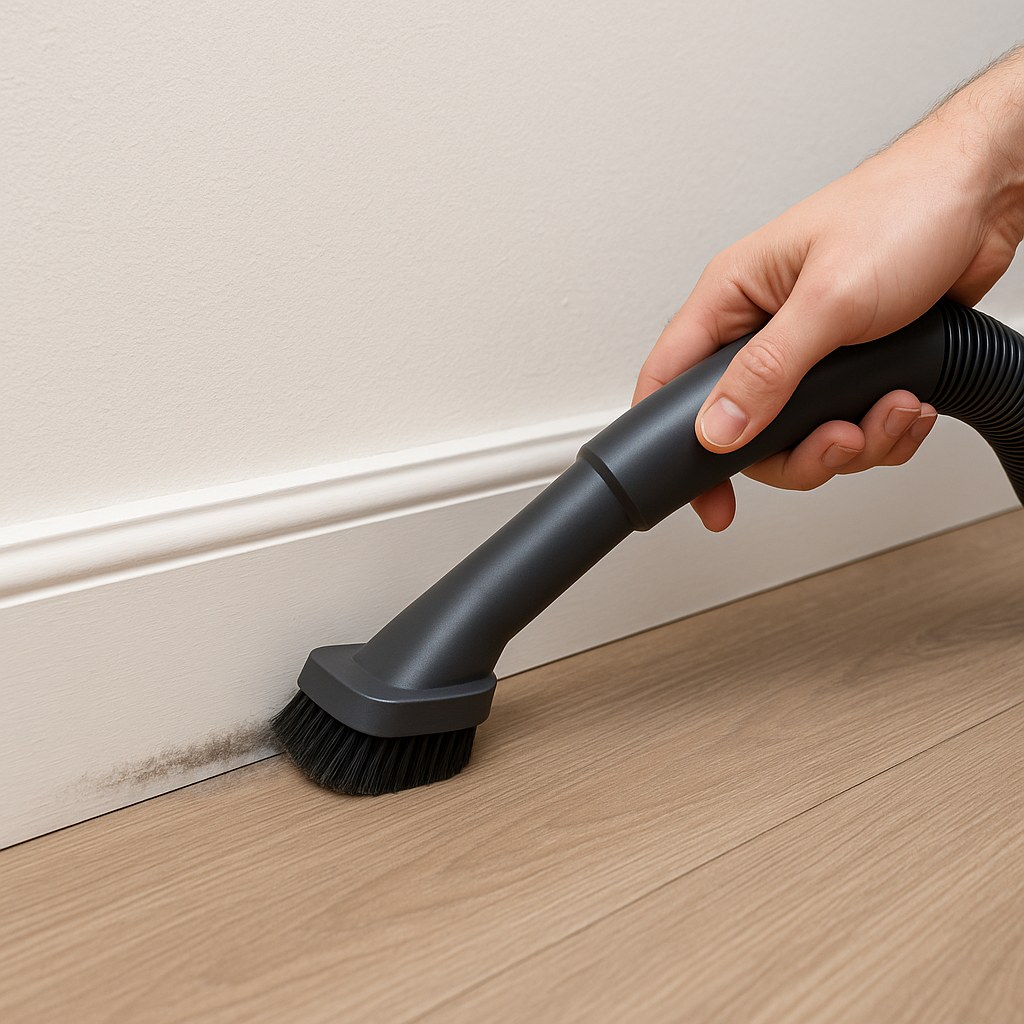
For a Deeper Clean (Every Month or Two):
Some spots are magnets for dust but often get overlooked. Grab your vacuum and its attachments (the crevice tool and brush are your best friends here).
- Tackle the Details: Vacuum along baseboards, inside window tracks, and in the grooves of your air vents.
- Reach High and Low: Use an extension wand to suck up cobwebs and dust from ceiling corners and the tops of door frames. Don’t forget to move furniture slightly to clean underneath.
- Clean the Blinds: Close the blinds fully, wipe them down with a damp cloth, then flip them the other way and repeat.
- Finish with a Mop: After you’ve vacuumed and dusted, mopping hard floors with a damp mop will pick up any fine dust particles left behind.
When to Call for Backup: Professional Help for Persistent Dust
So you've changed the filter, reduced indoor sources, and perfected your cleaning technique, but the dust is still overwhelming. At this point, it may be time to call in a professional. A persistent, heavy dust problem could be a sign of something that requires an expert eye, such as:
- Leaky Air Ducts: If your ducts have holes or poor connections, they could be pulling in dusty, unfiltered air from your attic, basement, or crawl spaces and distributing it throughout your house.
- An Unbalanced HVAC System: Your system might not be properly sized or configured for your home, leading to poor air circulation and filtration.
An HVAC professional can inspect your ductwork and entire system for issues. According to Forbes, a professional duct cleaning can cost between $270 and $490 and can make a huge difference if your ducts are the problem.
Your Long-Term Strategy for a Less Dusty Home
Keeping dust at bay is an ongoing process, not a one-time fix. Here’s a simple checklist to maintain a cleaner, healthier home:
- Change your HVAC filter every 1-3 months. Set a reminder on your phone!
- Vacuum floors and upholstered furniture weekly.
- Dust surfaces weekly with a microfiber cloth.
- Wash bedding weekly.
- Use doormats and consider a "no shoes in the house" policy.
By tackling the sources and adopting smarter cleaning habits, you can win the war against dust.
Ready to take control of your home maintenance? Download the Casa app today! Casa provides personalized maintenance reminders, step-by-step DIY guides for hundreds of home projects, and connects you with trusted, vetted professionals when you need a helping hand. Let us help you keep your home running smoothly.