

Updated Nov 23, 2026
What to Do When You See a Cockroach in Your House
Find out if a cockroach is a one-off or a nest, where to look, which kind it is, and what to do first: traps, cleanup, sealing, bait, and when to call.
One large roach may have come in from outside. Several small ones, or droppings and egg cases, mean they are living indoors. First kill or trap the one you see, then look under the sink, behind the fridge, and around the stove with a flashlight. Set sticky traps for a few days. What the traps catch tells you whether to clean and seal, or to bait and call pest control.
Looking for more guidance? Take a look at our Repairs overview.
Which Kind Is It?
The answer depends on the roach. The University of California says to identify the species before choosing a control method.
| Looks like | Where it lives | What it means |
|---|---|---|
| About 1/2 inch, light brown, two dark stripes behind the head (German) | Breeds indoors, kitchens and baths | Treat it as an infestation |
| About 1/2 inch, light bands (brownbanded) | Dry, warm places, behind art, in electronics | Check the whole room |
| About 2 inches, reddish brown (American) | Sewers, drains, outside | Often an outdoor visitor. Find the gap |
| About 1-1/4 inches, almost black (Oriental) | Damp, outdoors, drains | Fix moisture, seal |
Take a clear photo if you cannot tell. A local extension office or a pest company can identify it.
First Step: Investigate for More Signs
- Remove it. A swatter, a shoe, or a vacuum. Bag it, put it in the outside trash, and wash the spot with soapy water.
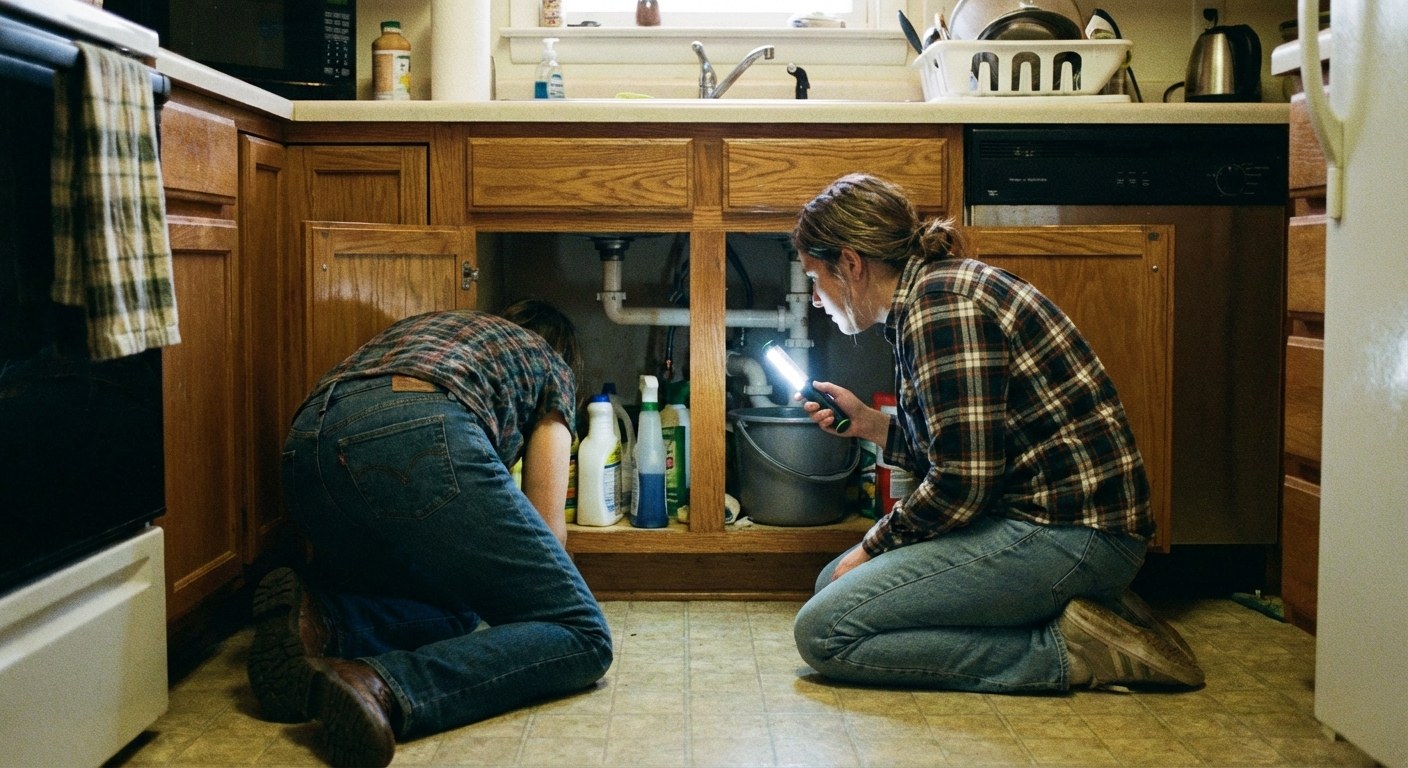
- Look for signs with gloves and a flashlight. Check under counters, behind drawers and appliances, under the sink, and around water heaters.
- Droppings look like ground pepper or coffee, or dark smears along edges.
- Egg cases are small brown capsules, about 1/4 inch long for German and brownbanded roaches and 3/8 inch for the larger kinds.
- Shed skins are pale, empty shells.
- A musty, oily smell in a cabinet points to a larger group.
- Vacuum droppings with a HEPA filter, because skins and droppings can trigger allergies. Empty the vacuum outdoors.
- Set sticky traps where walls meet floors, in corners, behind the fridge, and in cabinets. Number them, and check daily for several days.
- Note where the traps catch the most. That is where to clean and bait.
Path 1: A Single Cockroach and No Other Signs
- Seal the gaps within a few feet of where you saw it: pipes, baseboards, under doors. Use caulk, a door sweep, and weatherstrip.
- Fix any leak, and wipe the counter at night.
- If it came up near a drain, run water in floor drains and sinks you rarely use. The water in the trap helps keep roaches from coming up the pipe.
- Leave the traps out for a week. If they stay empty, take them up.
- Cut back plants and clear mulch by the wall. Check delivery boxes, grocery bags, and used appliances before you bring them in.
If a trap catches another, or you spot one in a second room, move to the next section.
Path 2: A Possible Infestation
Take away food, water, and shelter
- Store food and pet food in sealed containers. Pick up pet bowls overnight.
- Wipe up grease and crumbs, especially under the stove and behind the toaster. Take out trash nightly.
- Fix leaks, and do not leave standing water in the sink.
- Recycle cardboard and clear clutter. They hide in it.
Use bait, not spray
The University of California calls baits the main control tool, and says they take 7 days or longer. Roaches eat the bait and carry it back to where they hide. Sprays scatter roaches, and foggers are often ineffective and can be hazardous. Do not spray where you put bait. It can drive roaches away from it.
- Read the label, and wear gloves.
- Put small dabs of gel in cracks and crevices near where the traps caught them, out of reach of children and pets. Good spots are cabinet hinges and corners, behind the fridge and stove, and where pipes enter the wall.
- Do not clean the bait spots away, and do not put bait where it will be wiped.
- Check after a week, and replace it when it hardens.
- Keep the traps out, and look for a drop. If the count stays level, add placements or switch to a different bait.
With children or pets at home, closed bait stations are easier to place safely than open gel.
Seal the way in
Close holes around pipes, wires, and vents, with caulk or metal mesh where needed. Add a door sweep. Do not seal a drain or a vent shut.
What Does a Roach Exterminator Cost?
Thumbtack data puts the national average for a cockroach exterminator at $112 to $271, and most people pay around $174. A heavy infestation or a follow-up treatment adds to that, so ask how many visits the price covers.
When to Call Pest Control
- You see German roaches, or several small ones.
- The traps catch roaches in more than one room.
- You see them after two weeks of baiting and cleaning.
- You live in an apartment. Tell the landlord in writing, because they can move between units.
- Someone in the home has asthma or allergies.
A technician confirms the species, finds where they hide, and treats those cracks and wall gaps with bait or dust. Expect at least one return visit, since eggs hatch later. Ask what species, which product, how long to wait before pets and children return, and how many visits are in the price. Ask for baits first, and avoid a routine spray plan.
What If You See a Roach in the Daytime?
Roaches mostly come out at night. One in daylight may have been disturbed, but several can mean the hiding places are crowded. Set traps in that room the same day.