

Feb 9, 2026
What to Expect When a Plumber Visits Your Home
Feeling unsure about a plumber visit? Our guide covers preparation, questions to ask, and red flags to watch for, helping you feel confident and in control.
Calling a plumber for the first time can feel a little unsettling. Whether you’re dealing with a sudden leak or a drain that just won’t clear, the process of inviting a professional into your home to diagnose and fix the problem can bring up a lot of questions. This is a completely normal part of homeownership.
Looking for more guidance? Take a look at our Repairs overview.
The goal isn’t for you to become a plumbing expert overnight. The goal is to be a prepared, informed homeowner who can confidently work with a professional to resolve the issue. Let’s walk through what a typical visit looks like so you know exactly what to expect.
Quick Visit Snapshot
For a standard, non-emergency service call, here’s a general idea of what to plan for.
- Typical Time: Expect the initial diagnostic visit to last between 30 and 90 minutes. This gives the plumber enough time to assess the problem, explain the solution, and write up an estimate. The actual repair time will vary depending on the complexity of the job.
- Likely Cost: Costs can vary significantly by location and the nature of the issue. Most plumbers charge a “trip fee” or “dispatch fee” just to come to your home and diagnose the problem, which often ranges from $75 to $200. This fee is sometimes waived or applied to the cost of the repair if you decide to proceed. Hourly rates typically fall between $70 and $250 per hour, not including parts.
- Preparation Highlights: Clear the work area under sinks or around appliances, know the location of your main water shut-off valve, and have a clear description of the problem ready.
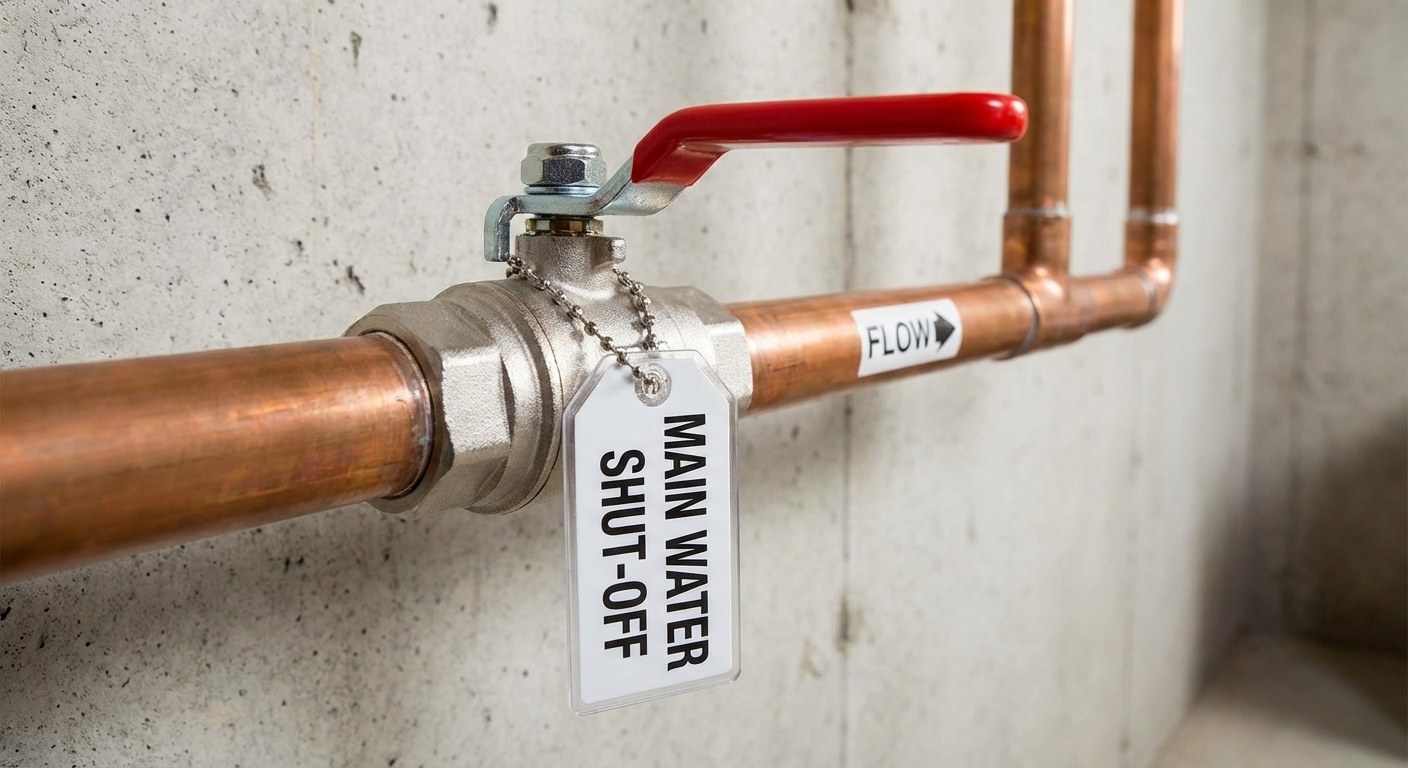 imageAlt: "The main water shut-off valve for a house, shown in the off position."
What Typically Happens During the Visit
While every situation is unique, most service calls follow a predictable and professional sequence of events.
- Arrival and Assessment: The plumber will arrive, introduce themselves, and ask you to explain the problem in your own words. This is your chance to share everything you’ve noticed—the sounds, the smells, and when the issue started.
- Inspection and Diagnosis: Next, they will inspect the area. This might involve looking under a sink, running water, using a camera to inspect a drain, or accessing a crawl space. Their goal is to find the root cause, not just the symptom.
- Explanation and Estimate: Once they’ve diagnosed the problem, the plumber should explain it to you in clear, understandable terms. They will then outline one or more solutions and provide you with a written estimate for the cost of labor and parts.
- Approval and Repair: If you agree to the estimate, the plumber will often get to work right away, provided they have the necessary parts in their vehicle. For larger jobs, they may need to schedule a return visit.
- Testing and Cleanup: After the repair is complete, the plumber will test their work to ensure the problem is solved. A good professional will also clean up any mess created during the repair, leaving the space as they found it.
- Payment and Invoice: Finally, you’ll settle the bill. You should receive a detailed invoice that breaks down the charges for labor and materials and includes information about any warranties.
How to Prepare Before the Plumber Arrives
A little preparation can make the visit smoother, faster, and more effective.
- [ ] Clear the Work Area: Remove all items from under the sink or around the appliance or fixture that needs work. This saves the plumber time and protects your belongings.
- [ ] Know Your Shut-Off Valve: Make sure you know where the main water shut-off valve for your home is located. If it’s an emergency, you’ll need to turn it off before they even arrive. For a specific fixture, like a toilet or sink, there is usually a local shut-off valve nearby.
- [ ] Document the Problem: Take photos or a short video of the leak or issue. It can be helpful if the problem is intermittent. Jot down a few notes about when it started and what you were doing when you noticed it. Keeping these notes in a home management app like Casa can help you track issues over time.
- [ ] Make a "While You're Here" List: If you have other minor plumbing concerns, like a dripping faucet or a slow drain in another bathroom, list them out. It’s often more cost-effective to have a plumber address multiple small issues in a single visit.
- [ ] Secure Pets and Children: For their safety and to allow the plumber to work without distraction, keep pets and small children in another part of the house.
- [ ] Plan for Access: If the issue involves pipes in a crawl space, basement, or attic, make sure the entrance is clear and accessible.
Smart Questions to Ask Your Plumber
You have the right to ask questions and understand the work being done in your home. A reputable professional will be happy to provide clear answers.
- "Can you show me what you found and explain what’s causing the problem?"
- "What are my options for fixing this?"
- "Is this a permanent solution or a temporary patch?"
- "What is your estimate for the total cost, including parts and labor?"
- "Is that a flat-rate price or an hourly estimate?"
- "What kind of warranty do you offer on your work and the parts you use?"
- "Are you licensed and insured?"
What’s Reasonable vs. When to Pause
It’s important to know the difference between standard practice and a potential red flag.
It's reasonable to expect:
- A professional appearance and a clearly marked vehicle.
- A clear explanation of the problem and the proposed solution.
- A written, itemized estimate before any work begins.
- The plumber to protect your home with drop cloths or shoe covers.
It's time to pause and reconsider if the professional:
- Pressures you to make an immediate decision on a major, non-emergency repair or replacement.
- Provides a vague or verbal-only estimate.
- Cannot or will not show you their license or proof of insurance.
- Suggests a major job like replacing all of your pipes without a clear, evidence-based reason.
Red Flags and Common Scams to Avoid
While most plumbers are honest professionals, it pays to be aware of warning signs.
- Unsolicited Offers: Be wary of anyone who shows up at your door unannounced, claiming they “noticed a problem” while working nearby.
- High-Pressure "Today Only" Deals: A good plumber’s price will be fair tomorrow, too. Scammers use pressure to prevent you from getting a second opinion.
- Demand for Full Payment Upfront: It’s standard to pay a deposit for a large, scheduled job that requires special-order parts, but you should never pay the full amount before the work is completed to your satisfaction.
- Cash-Only Deals: A request for cash with no invoice or contract is a major red flag. This often means the business is not legitimate and you will have no recourse if the work is faulty.
Simple Ways to Save Money
- Group Your Tasks: As mentioned earlier, having a plumber fix a leaky faucet, a running toilet, and a slow drain in one visit is much cheaper than scheduling three separate calls.
- Know When It’s an Emergency: A burst pipe is an emergency. A slow drain is not. If you can wait to schedule service during regular business hours, you’ll avoid expensive after-hours or weekend fees.
- Ask About Parts: Ask if you have an option between different quality levels for replacement parts (for example, on a new faucet or garbage disposal) to fit your budget.
Your Home, In Hand
A plumbing issue can be disruptive, but managing the solution doesn’t have to be. By preparing for the visit and knowing what to expect, you turn a moment of stress into a straightforward, manageable task.
At Casa, we help you stay prepared for moments just like this. Use the app to keep track of your trusted service providers, store repair notes and photos, and manage your home maintenance records all in one place. When you’re prepared, you’re in control. Download Casa today to get started.