Is there anything more frustrating than hopping into the shower, running late for work, only to be greeted by a weak trickle of water?
Looking for more guidance? Take a look at our Repairs overview.
 BACK
BACKFEB 18, 2025
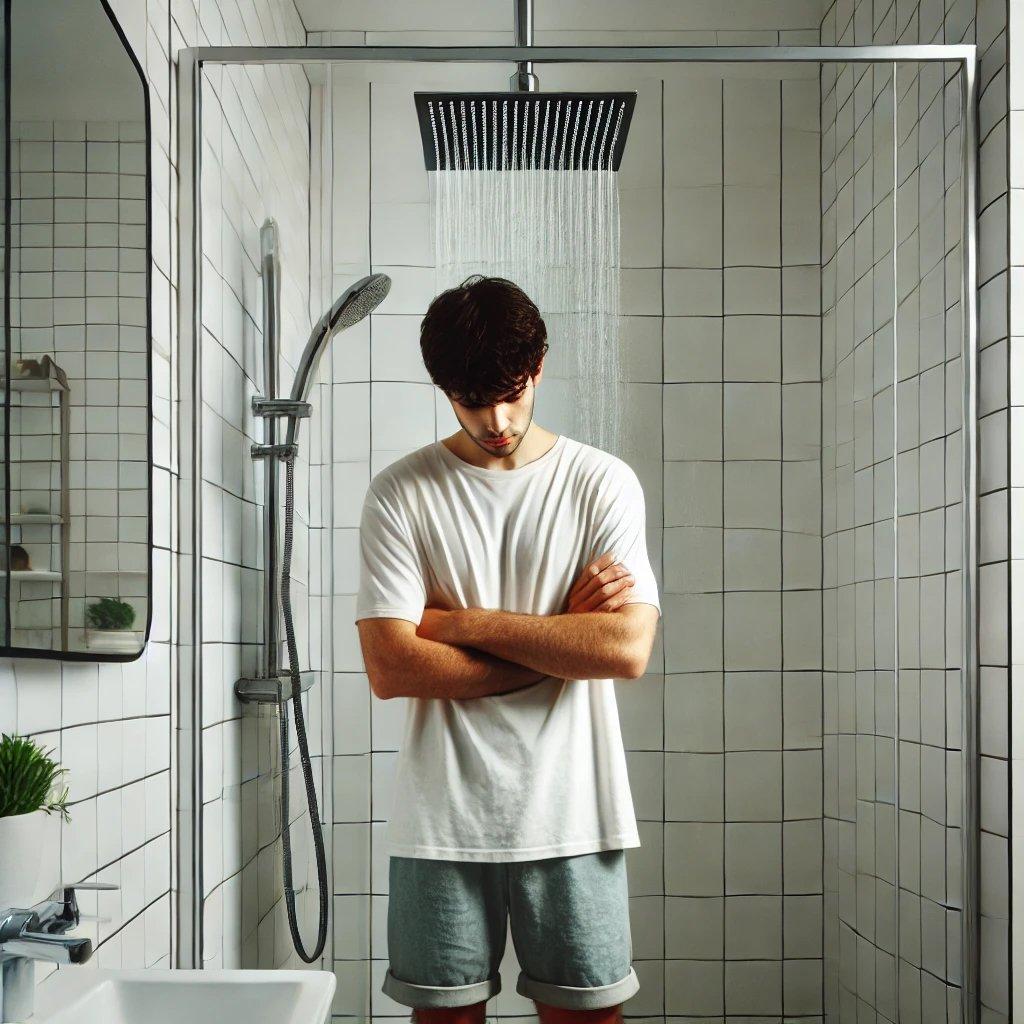
Is there anything more frustrating than hopping into the shower, running late for work, only to be greeted by a weak trickle of water?
Looking for more guidance? Take a look at our Repairs overview.
Low water pressure in the shower is a common household issue, but the good news is that you can often fix it yourself without calling a plumber. In this guide, we'll walk you through the steps to diagnose and solve the problem. By the end, you'll either have restored water pressure or know exactly when to bring in a pro.
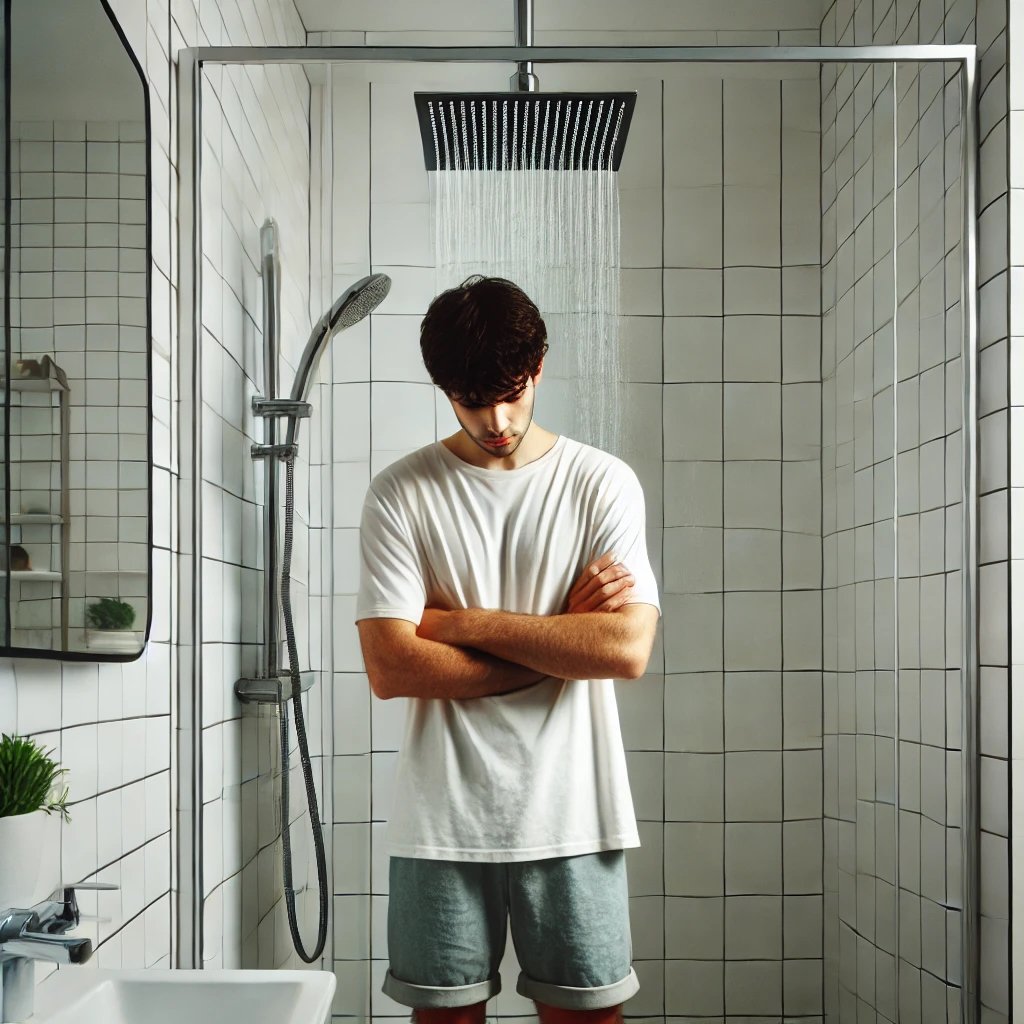
Low water pressure in the shower can result from various issues, including partially closed valves, clogged shower heads, old plumbing, or even municipal water supply issues. According to a survey by the American Housing Survey, plumbing issues are among the top five most reported home maintenance problems in the U.S., with water pressure concerns being particularly common.
There are five common causes of low water pressure in the shower:
Let's get started with some troubleshooting to figure out what is happening with your shower.
Start by checking if other bathrooms in your home are experiencing low water pressure.
If multiple bathrooms are affected, it's likely a main water supply issue.
Tip: Sometimes, a municipal water supply issue can affect your entire home. Check with your local water provider for any scheduled maintenance or disruptions.
Check if both the tub faucet and the shower head have low water pressure. If both are affected:
Fun Fact: Mineral buildup from hard water can reduce water flow by up to 70% over time if not cleaned regularly.
If it really is just this shower head, hard water and mineral deposits are common culprits behind low water pressure in the shower. Here's how you can clean the shower head yourself:
If the pressure is still low, consider either buying a new shower head if you think that the shower head is the culprit, or calling a plumber to come take a closer look at the shower pipes.
The type of shower head you have can significantly affect water pressure. Here are some common types:
Choosing the right shower head for your home can help prevent water pressure issues in the future.
Additional Note: Some modern shower heads come with adjustable pressure settings, allowing you to switch between gentle flow and high-pressure spray.
The cost can vary depending on the cause. According to HomeAdvisor, cleaning a shower head is virtually free if you DIY, while hiring a plumber can cost between $150 to $500, depending on the issue. Cleaning usually takes an hour or less, making it a quick and affordable fix to try yourself.
There are a few preventive actions you can take to avoid low water pressure in the future, such as:
Pro Tip: Installing a water softener can reduce mineral buildup and extend the life of your plumbing fixtures.
Low water pressure in the shower is annoying, but with a little DIY effort, you can often fix it yourself. And when you can't, the Casa app is here to help.
For more home maintenance tips and step-by-step repair guides, download the Casa app today. Casa makes DIY fixes easy and connects you with trusted professionals when needed. Whether you're tackling a minor issue or facing a major plumbing problem, Casa is here to support you every step of the way.