

Updated Nov 23, 2026
How to Fix a Pool or Spa Heater That Won't Heat Up
Check water flow, settings, and error codes on a pool or spa heater, clear the basket and airflow safely, and leave gas and wiring to a technician.
A pool or spa heater that won't heat is often protecting itself from low water flow. Check the pump, the basket, the filter, the set temperature, and the mode. Those are safe checks, and they explain many cold pools.
Looking for more guidance? Take a look at our Repairs overview.
If flow is good and the heater still won't start, write down the error code and call a pool heater technician. Gas valves, burners, igniters, and anything behind a panel are not homeowner work. Neither is spa wiring.
If You Smell Gas or an Alarm Sounds
Move away from the equipment, and leave the house if the smell is inside. Don't touch a switch or use a phone nearby. Call your gas utility or 911 from a safe place. Don't look for the leak or close valves. A gas heater also makes carbon monoxide. Pentair's manual calls its heaters' exhaust deadly. If an alarm sounds, go outside and call 911.
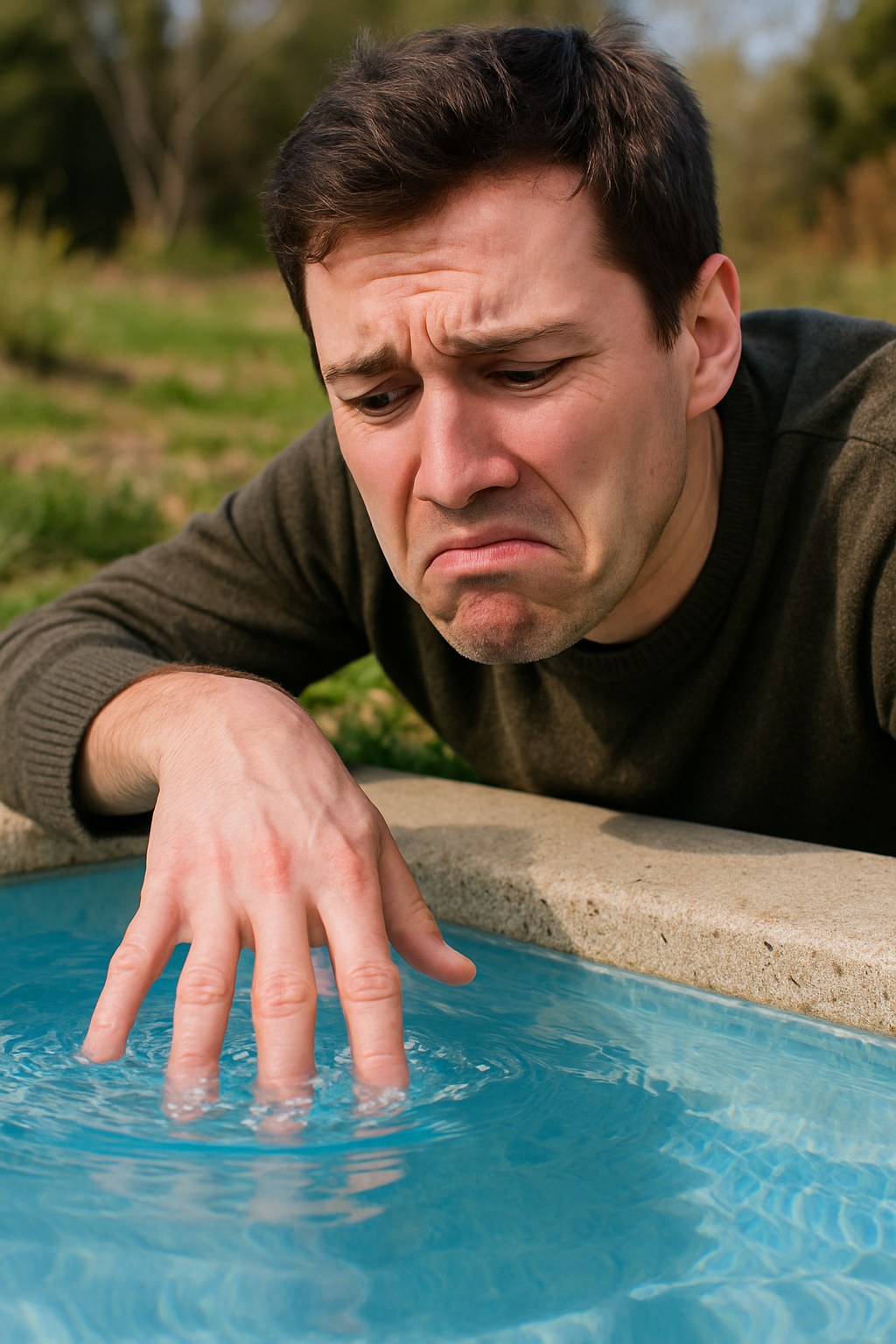
Why Isn't My Pool Heater Working? The Common Culprits
- Poor water flow: The pump is off, the basket or filter is clogged, or the water level is low. A pressure or flow switch then keeps the heater off.
- Settings: The set temperature is too low, the heater is off, or it is in "Pool" mode when you want "Spa."
- Timer: The pump runs on a schedule, and the heater can't run without it.
- An error code from a safety switch or sensor.
- A fault in the heater: Ignition, gas, a sensor, or a fan. This is a technician's job.
Step 1: Check Water Circulation First
- Check the water level. It should be about halfway up the skimmer opening.
- Look at the pump. Through the clear lid you should see water filling the basket, not air.
- Feel the return jets. Put a hand in front of one, away from any drain. The flow should be strong.
Before anyone gets in, check that the drain covers are in place. CPSC says to make sure spa covers are not cracked or missing. If one is, stay out until it is replaced.
How to Restore Water Circulation
- Turn off the pump and heater at the control, then turn off their breakers. An automatic timer can start a pump while your hand is in it. Keep your hands and the ground around you as dry as you can.
- Let the pressure out. Open the air relief valve on top of the filter and wait for the gauge to read zero. Never loosen a filter clamp or pump lid under pressure.
- Clean the pump basket. Remove the lid, empty the basket, and check the O-ring.
- Fill the pump housing with water and put the lid back on, hand tight.
- Empty the skimmer baskets.
- Turn the pump back on. Stand clear of the filter until air stops coming from the relief valve and you see a steady stream of water, then close the valve.
- Read the filter gauge. If it is well above its normal clean reading, the filter needs cleaning or backwashing. Follow your filter's manual. Turn the pump off before you move a multiport valve. See how to clean a pool filter.
- Wait a few minutes to see whether the heater starts.
If the pump won't run, hums, or trips its breaker, stop and call.
Step 2: Verify Your Thermostat Settings
- Check the set temperature. It needs to be a few degrees above the water temperature.
- Adjust it sensibly. CPSC says to keep spa water at 104°F or below. Check it with a thermometer before you get in, because spa thermostats can be off by as much as 4°F.
- Confirm the mode. "Spa" mode moves the valves so only the spa is heated. In "Pool" mode, warming the whole pool can take many hours or days.
- Check the timer and automation. Make sure the pump is scheduled to run long enough.
- Wait 15 minutes. Some systems have a delay.
Step 3: Investigate the Heater Display for Error Codes
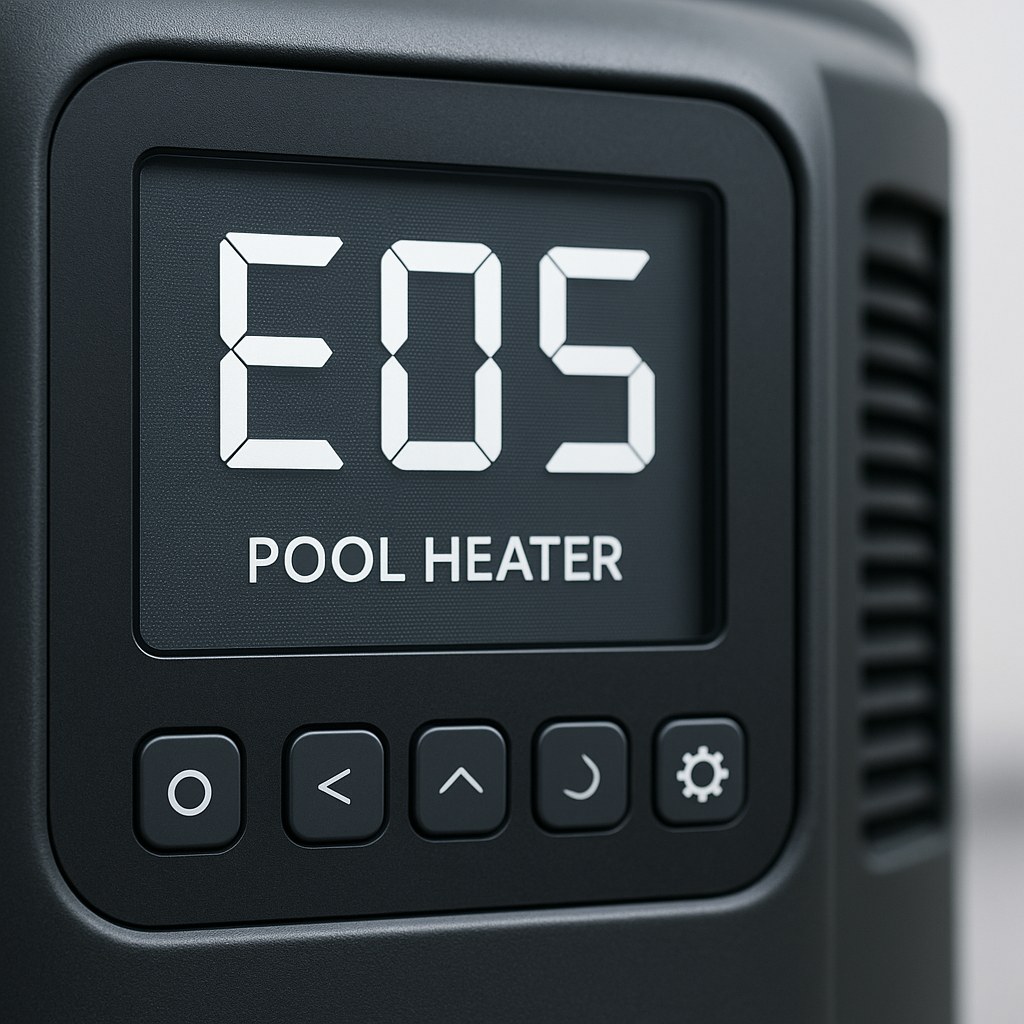
- Write the code down or take a photo before you reset anything. Codes differ by brand.
- Look it up in the manual. A flow or pressure code usually sends you back to Step 1. On Pentair's MasterTemp, a "Service System" light can mean restricted water flow. If it stays on after the filter is cleaned, Pentair says to call a technician.
- Restart it once. Turn the heater off at its control, wait five minutes, and turn it back on. Don't open its disconnect or cabinet.
If the code returns, call a technician and give them the code. Don't bypass a pressure, flow, or high-limit switch. They stop the heater from overheating.
Step 4: Troubleshoot Your Specific Heater Type
Gas Heaters
- Look, don't light. From a few feet away, check for soot, scorching, or a blocked exhaust. Clear leaves and stored items from around the unit. Don't lean over it or look into the burner while it tries to start.
- Leave the gas valve alone. If it is closed, someone may have closed it for a reason. Ask your gas supplier or technician to turn it on and check the heater.
- Listen from a distance. Repeated clicking without heat, a boom, or a yellow or sooty flame means turn it off at the control and call.
- Never run one that has been flooded. Pentair says to call a qualified technician if any part has been under water.
Heat Pumps
- Check the air temperature. Most lose output as it gets cold, and many stop below about 50°F. Your manual gives the limit.
- Clear the airflow. Remove leaves and grass from around the unit with it switched off.
- Watch and listen. If the fan runs but it never heats, the fault is inside. Capacitors and refrigerant are for a technician.
Solar Heaters
- Is the sun on the panels? They need direct sun.
- Check the diverter valve at the equipment pad, and the controller's setting. Stay off the roof.
- Compare the pipes. On a sunny day the return should feel warmer than the supply. Touch them briefly. Water that has been sitting in panels can be hot.
When to Call a Professional
Call a pool heater technician if the code returns, flow is good but it won't start, or it makes a boom, soot, or an odd smell. Call an electrician for a tripping breaker or GFCI, damaged wiring, or any tingle in the water. Call your gas utility or 911 first for gas.
HomeGuide puts pool heater repair at $150 to $750, and Thumbtack's national average for pool repair is $232 to $1,088. Ask for the diagnosis fee, the failed part, and the full price. Ask whether water chemistry or low flow caused the failure, so the next part lasts. For an older heater, compare the repair with a new one, including gas or electrical work.