

Updated Nov 23, 2026
Chimney Cap Installation: Types, Fit, and Who Should Do It
Choose the right chimney cap for masonry, metal, gas, or shared flues, learn what installation involves, and compare quotes without climbing up.
A chimney cap is worth having on most open flues, and it should be installed by a chimney company or roofer. The hard part is not the screws. It is the height, and choosing a cap that does not choke the flue or void a factory-built chimney's listing.
Looking for more guidance? Take a look at our Repairs overview.
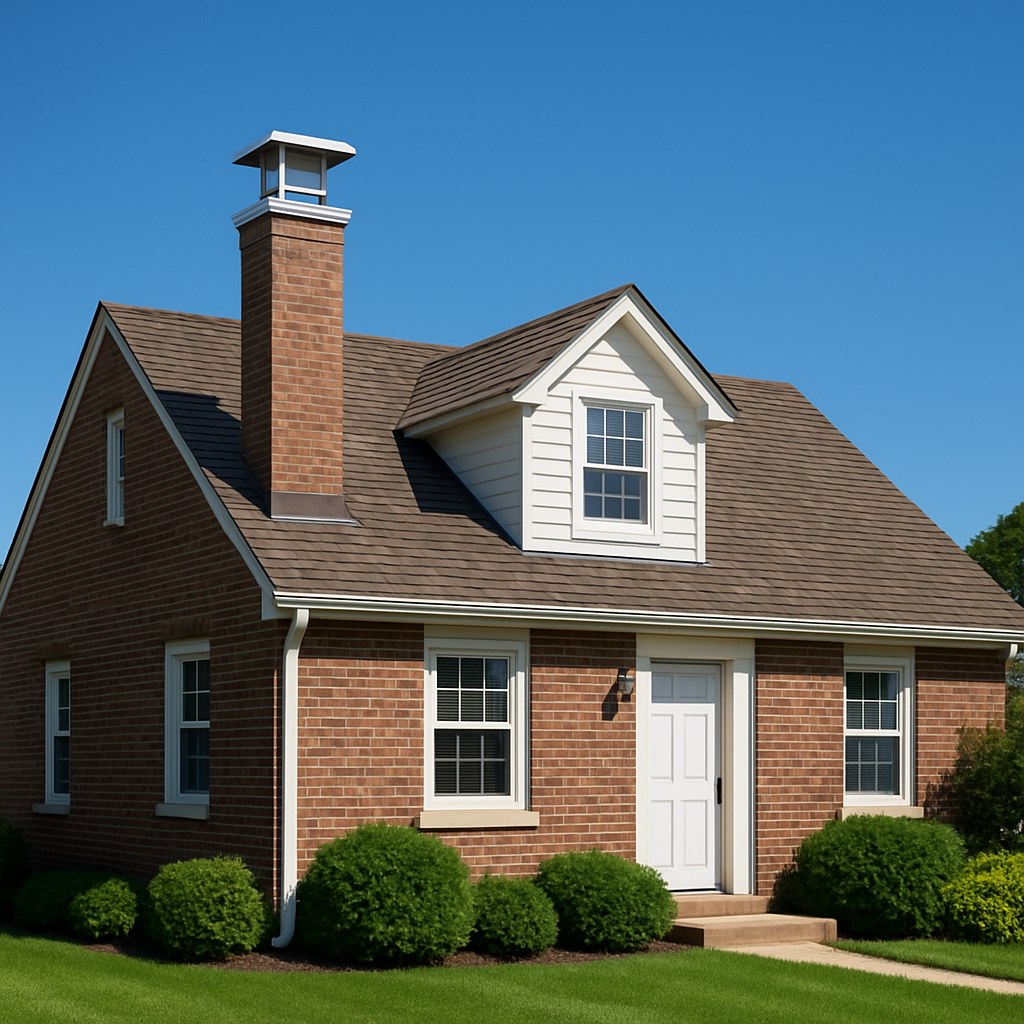
Do You Need One?
Look from the ground with a phone's zoom. If you can see an open pipe or tile with nothing over it, probably yes. The Chimney Safety Institute of America says a well-designed cap keeps out rain, birds, and animals, and acts as a spark arrestor.
Ask before you cover a flue that serves a gas, oil, or pellet appliance. Some have their own listed termination. Covering them with a general cap can affect draft and send exhaust indoors.
Which Type Fits?
| Chimney | Usual cap | What to confirm |
|---|---|---|
| Masonry, one clay flue tile | Single-flue cap that fits the tile | Tile is not cracked, opening is not reduced |
| Masonry, several flues | Multi-flue cap fastened to the crown | Crown is sound, height above the flues |
| Metal, factory-built | The maker's own cap | The correct cap for that system |
| Gas or oil appliance vent | The listed vent cap | Appliance and vent maker's instructions |
| Direct-vent gas fireplace | Its own terminal | Nothing added to it |
Material: stainless steel and copper last longer than galvanized steel. Near the coast, ask about corrosion.
Mesh: it keeps animals out and stops sparks, and it can clog with soot. Ask how it will be checked each year. Some wildfire areas set a mesh size, so ask your local building department.
Top-mount damper: combines a cap and a damper. It needs a working cable, and everyone in the house needs to know how to open it before lighting a fire.
What the Installer Should Do
- Inspect first. A cap over a cracked flue or a blocked chimney hides the problem.
- Sweep out nests and loose creosote.
- Measure the flue and confirm what vents through it.
- Check the crown, flashing, and top courses of brick.
- Fit and fasten the cap as its instructions say.
- Confirm the draft works, with every appliance on that flue.
- Give you photos and the cap's model.
Many sweeps can do this during the yearly visit, which saves a second trip. The U.S. Fire Administration recommends having heating equipment and chimneys cleaned and inspected each year by a professional.
What Does Chimney Cap Installation Cost?
HomeGuide puts a chimney cap, including removal of the old one and installation, at $200 to $850. A prefab metal cap runs $200 to $650 installed, while a custom concrete or metal cap runs $425 to $850. The cap alone is $50 to $500, and installation labor is $125 to $275. Size and material drive most of the difference.
Comparing Quotes
Ask each company for the cap's size, material, and warranty, whether inspection and sweeping are included, what they do if the crown is cracked, how they protect the roof, and proof of insurance. A quote that lists only "chimney cap" is hard to compare.
Pay more for the right fit, not for extras you do not need. If the crown or tile needs work first, get a second written opinion.
While You Wait
Do not stuff the flue or cover it with a tarp. Someone could light a fire below it. Leave the fireplace unused, put a note on the damper, and ask the company about a safe temporary cover.