While seeing your yard wash away can be alarming, it is a very common issue—especially in properties with graded or sloped landscaping. The good news is that unless the slope is threatening your home's foundation or a retaining wall is collapsing, you can usually stabilize the soil yourself with a free weekend and the right materials.
This guide will help you assess the severity of the erosion and choose the right method to keep your soil where it belongs.

Signs Your Slope is Eroding
Erosion isn't always as dramatic as a landslide. It usually happens gradually over seasons of rain and wind. Look for these tell-tale signs:
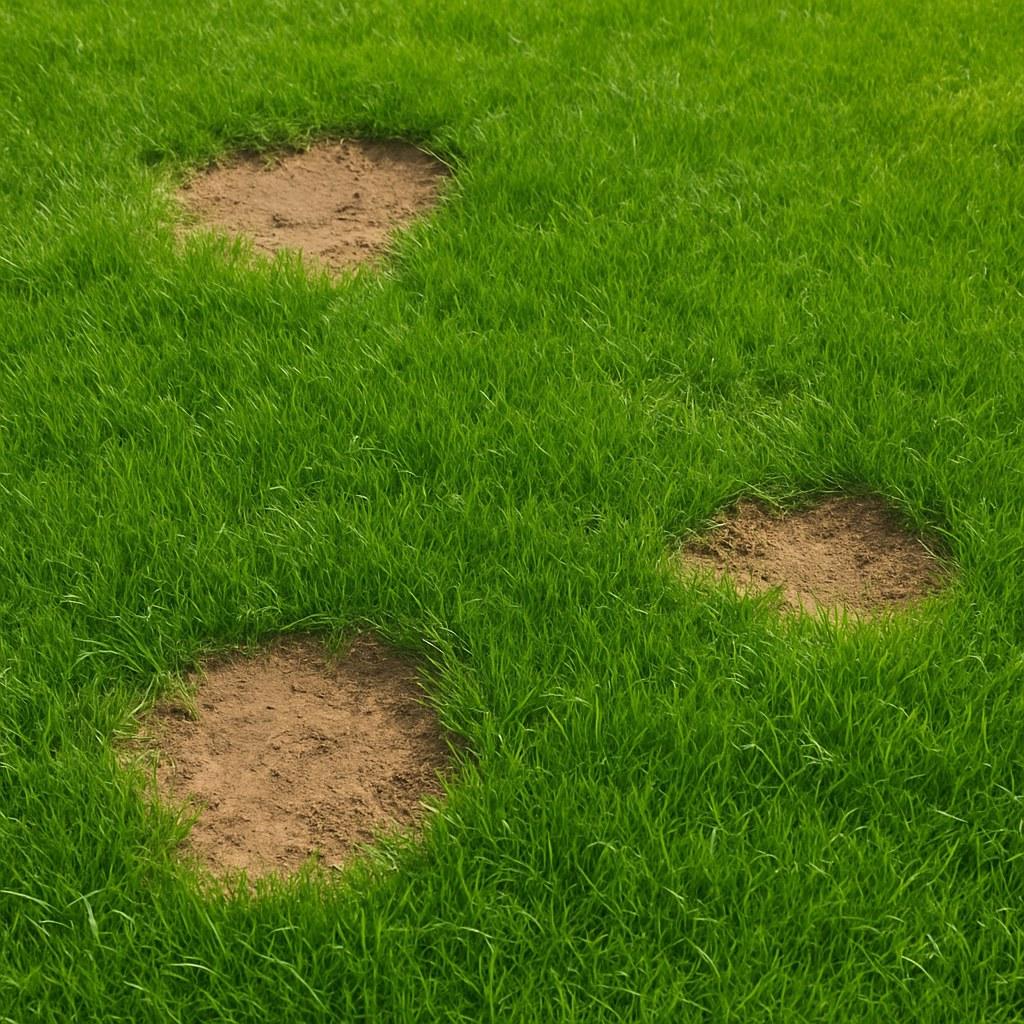
- Bare patches: Areas where grass has thinned out or disappeared entirely.
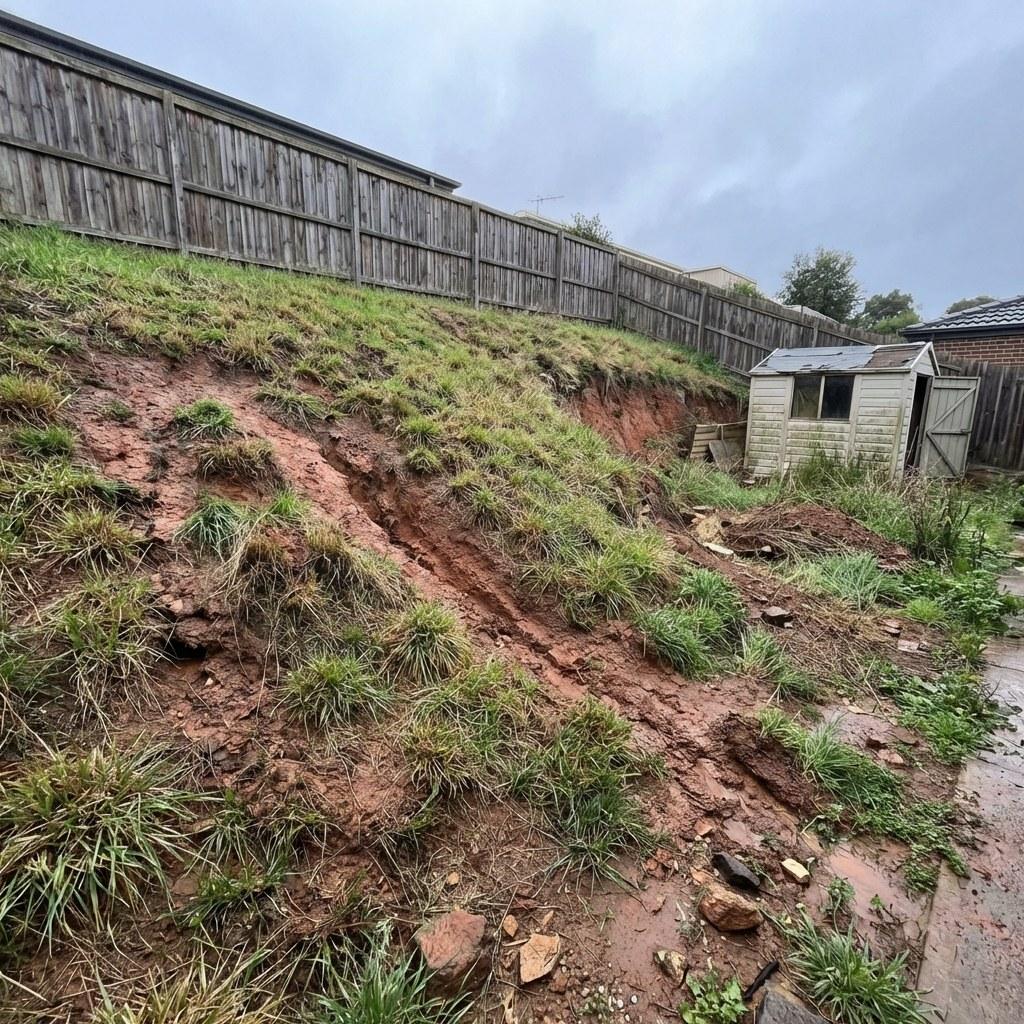
- Rills and Gullies: Small channels carved into the dirt by running water.
- Exposed Roots: Tree or shrub roots that seem to be "climbing" out of the ground.
- Sediment buildup: Soil collecting at the bottom of the slope or on adjacent sidewalks.
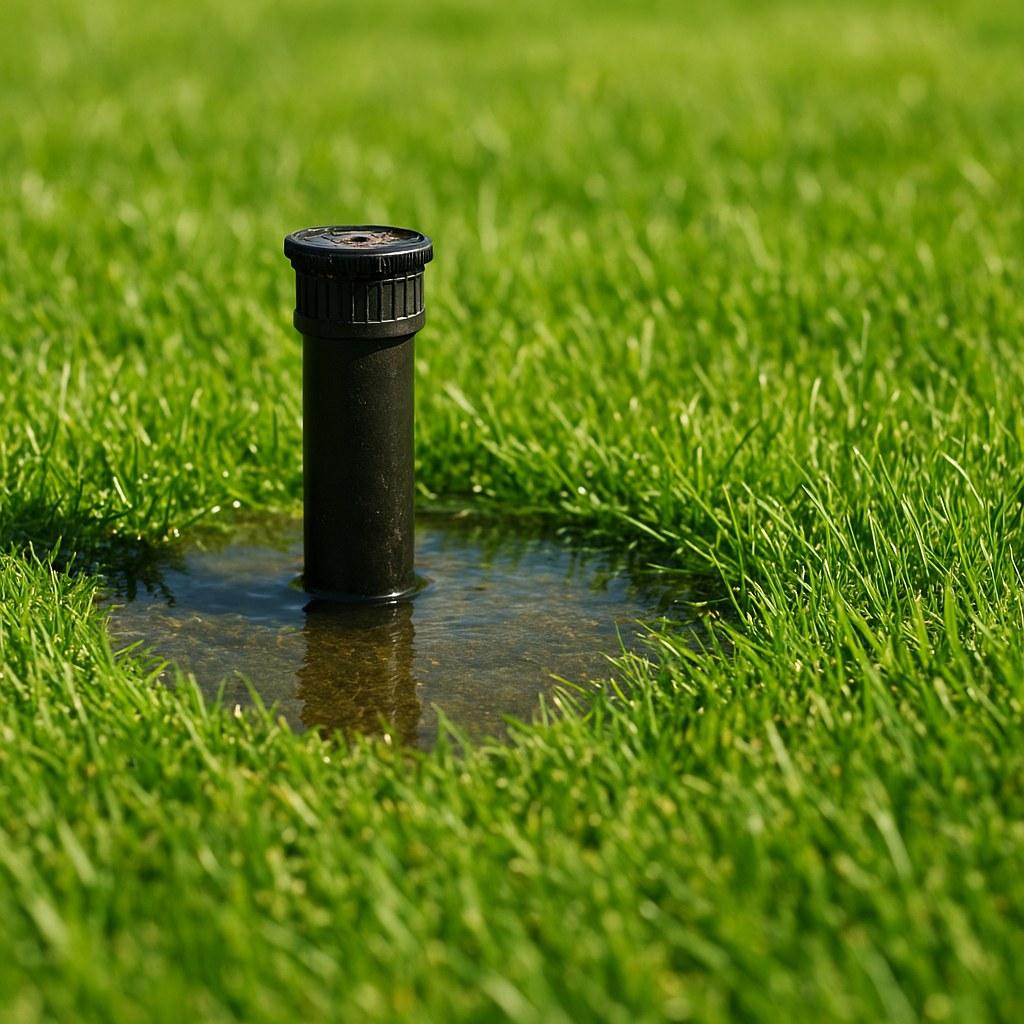
- Pooling water: Muddy puddles forming at the base of the grade.
Is It Safe to Fix Yourself?
Before grabbing a shovel, you need to determine if this is a DIY project or a job for a pro.
Safe to DIY:
- The slope is "gentle" (a rise of less than 1 foot for every 3 feet of horizontal distance).
- The erosion is surface-level (shallow channels less than 2 inches deep).
- The area is manageable with hand tools.
Call a Professional:
- The slope is steep and difficult to walk on safely.
- You see deep gullies (6 inches or deeper).
- Fences, trees, or retaining walls are leaning.
- The erosion is near your home's foundation.
- Note: If structural integrity is at risk, contact a geotechnical engineer or landscape professional immediately.
Step-by-Step: Diagnosing and Fixing Erosion
The first step is understanding what you are working with. A gentle slope requires a different approach than a steep one.
Step 1: Assess the Slope and Severity
Put on sturdy shoes and walk the area carefully. You need to determine the steepness.
- The 3-Foot Test: Measure 3 feet horizontally from the slope. If the ground rises less than 1 foot over that distance, it is considered a gentle slope.
- Check the Damage: Look for rills (mini-channels). If they are shallow, you can likely fix this with ground cover or mats.
Step 2: Fixes for Gentle Slopes
If your slope is gradual, your goal is to slow down the water and give vegetation a chance to take root.
Option A: Mulch and Reseed (For Minor Soil Loss)
If the bare spots are small and shallow, simple coverage might work.
- Roughen the soil: Use a rake to break up the bare surface.
- Seed: Spread grass seed evenly.
- Mulch: Cover the seed with 2 inches of wood mulch. This acts as a shield against rain impact.
- Water: Keep the soil consistently moist for two weeks until the grass establishes.
Option B: Erosion Control Blankets (For Sparse Vegetation)
If you have large bare areas (less than 50% grass coverage), mulch might wash away. You need an erosion control blanket—a biodegradable mesh usually made of straw, coconut fiber, or wood shavings.
- Prep: Clear rocks and smooth the soil.
- Seed: Broadcast your seed first.
- Install: Roll the blanket from the top of the slope down to the bottom.
- Secure: Use metal landscape staples every 2 feet to pin the blanket to the earth. Overlap edges by 6 inches.
- Water: Water right through the blanket. The mesh holds the seed in place while it germinates.
(Casa Tip: Tracking your watering schedule is key here. New grass on a slope dries out faster than on flat ground. Set a reminder to check moisture daily.)
Step 3: Redirecting Runoff
Sometimes the problem isn't the soil; it's the water source. If a downspout is pointing directly at the slope, no amount of seed will save it.
- Extend Downspouts: Add a plastic extension to move water past the slope or to a flatter area.
- Create a Swale: Dig a shallow trench (swale) at the top of the slope to catch water before it runs down. Line it with stones or mulch to gently redirect the flow to a safe outlet.
Step 4: Fixes for Steeper Slopes (Advanced DIY)
If the slope is steeper but safe to walk on, you may need a mechanical barrier to stop the water velocity. This method is harder but effective.
Straw Wattles and Mini-Terraces
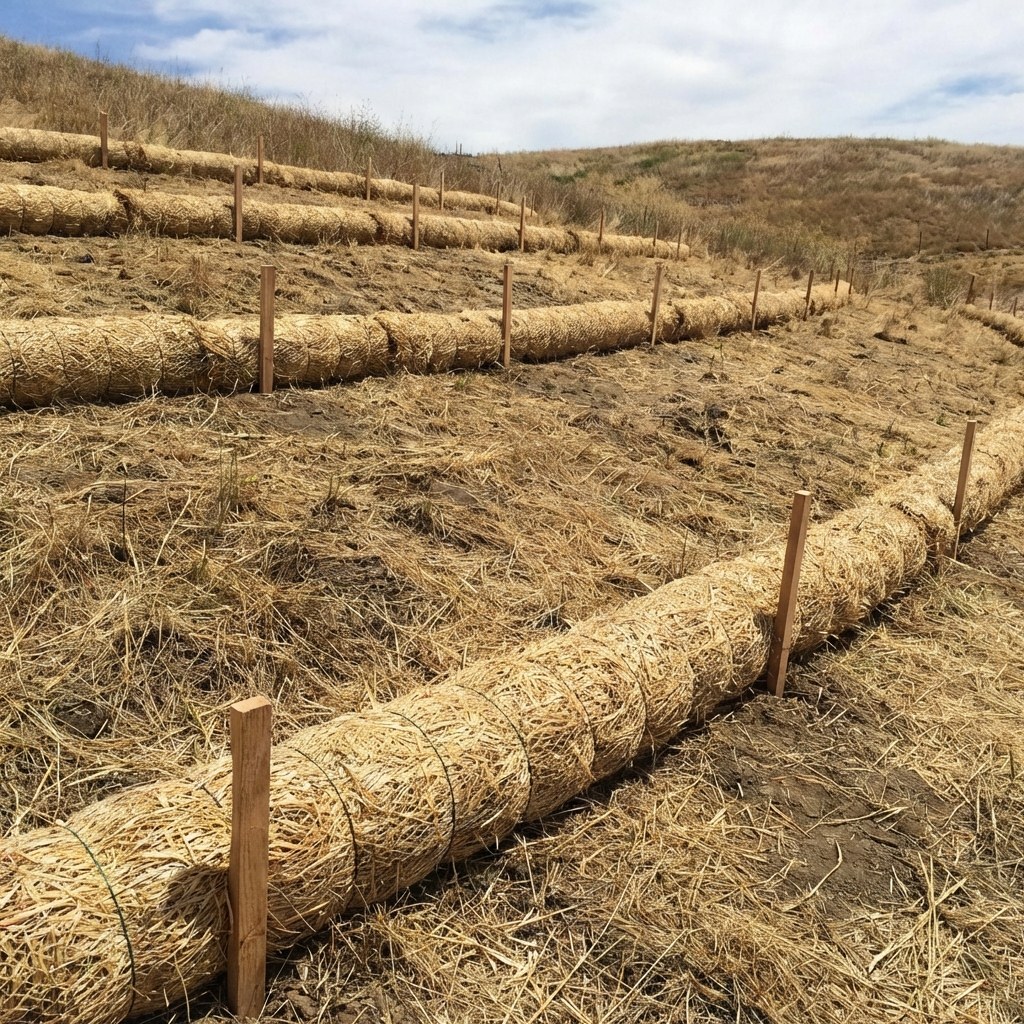
Straw wattles are long, sausage-shaped tubes of compressed straw that act as speed bumps for water.
- Plan: Mark horizontal lines across the slope every 6–8 feet.
- Trench: Dig a shallow trench (about 4 inches deep) along these lines.
- Install: Place the wattle in the trench. It must sit tight against the soil so water doesn't flow under it.
- Stake: Drive wooden stakes through the wattle every 3 feet.
- Terrace: If possible, flatten the soil slightly between the wattles and plant hearty ground cover or grass.
Time and Cost Estimates
Stabilizing a slope is generally an affordable project if you catch it early.
- Time:
- Assessment: 20 minutes.
- Mulch/Seed: 1–2 hours.
- Installing Blankets: 2–4 hours.
- Installing Wattles: 4+ hours (labor intensive).
- Cost:
- Grass seed & Mulch: $30–$60 depending on area size.
- Erosion Control Blanket: $40–$80 per roll.
- Straw Wattles: $25–$40 each.
- Professional Help: If the slope requires retaining walls or grading, costs can range from $1,500 to over $5,000 depending on engineering needs.
When to Call for Help
If you've installed blankets or wattles and the soil is still washing away after the next heavy rain, the issue may be hydrological or structural.
Additionally, if you noticed the "deep rills" mentioned earlier (channels deeper than 6 inches), this indicates significant water velocity that DIY methods rarely fix. In these cases, a landscape architect or drainage engineer can design a solution that might include French drains or retaining walls.
Final Thoughts
Erosion control is about patience and observation. It’s normal to try a solution, wait for the next storm, and then adjust. By acting now, you prevent a minor landscaping annoyance from becoming a threat to your property's structure.
If you’re planning a larger yard renovation or want to keep track of your seasonal maintenance like reseeding and gutter cleaning, download the Casa app. We help you organize your home’s needs so you can feel prepared for whatever the weather brings.